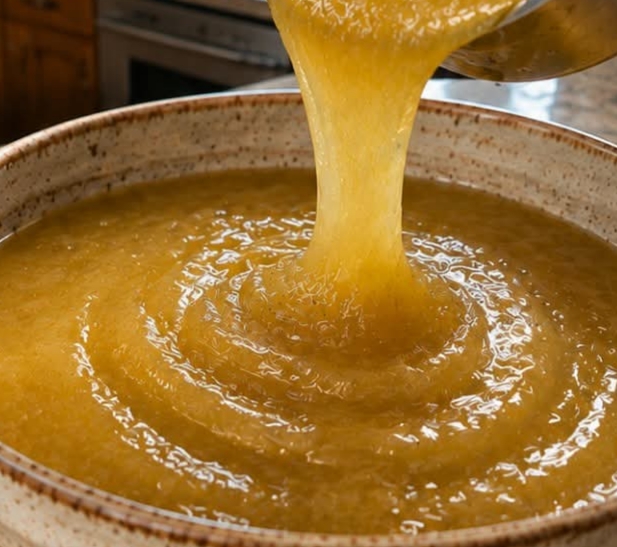
Knee cartilage does not fail with a warning label. It fails in the first step out of bed, in the pause before a chair, in that dry grind under the kneecap that makes a grown adult look for the elevator. Years of extra load, old twists, and quiet inflammation thin the cushion that used to make walking feel automatic, and every flight of stairs starts collecting a tax. One pot of bone broth will not grow a new joint — but it floods the kitchen with gelatin and the exact amino acids the body uses as raw material for collagen, and the detail that separates a useful batch from watery soup is hiding in the last section: the fridge test most people never run.The Real Reason Knees Start Charging Interest After 50Knee cartilage is slippery armor. It has no blood vessels. It eats slowly, repairs slowly, and remembers every extra pound and every bad landing.That is why the pain feels personal. The joint is not “just sore.” The smooth layer that used to take the hit is thinner, drier, and less willing to forgive a deep squat or a long market trip.Here’s what actually stacks the damage:Extra body weight multiplies force across the kneecap with every stepOld sports injuries, twists, and meniscus trouble leave a rough surfaceAll-day sitting then a sudden burst of activity starves the cartilage of motionUltra-processed food patterns keep low-grade inflammation on a slow boilThe joint starts talking in three languages: morning stiffness, a crunch when standing, and a hesitation before kneeling. That hesitation is the part that steals weekends first.And no — stretching for 30 seconds in the doorway does not put the missing cushion back.The Kitchen Food That Supplies Collagen’s Raw MaterialThe food is bone broth. Not the thin, salty carton. The long-simmered pot made from bones that still hold cartilage, marrow, and connective tissue.Chicken feet, knuckles, and beef bones with visible gristle are the cuts that matter. Hours of low heat pull gelatin into the water. Done right, the chilled liquid sets like soft jelly.That jelly is the point.Gelatin is loaded with glycine, proline, and hydroxyproline — the same amino acids the body uses when it assembles collagen fibers. Bone broth is not a lab-dosed collagen-peptide powder. It is the cheap, old way to put those building blocks in a mug.But that is not the whole story.Vitamin C is the missing wrench. Without it, collagen assembly stalls. Omega-3 fats help keep the joint environment less angry. Protein from eggs, fish, and beans feeds the muscles that unload the knee. Broth covers one column. The plate has to cover the rest.What the research actually says — without the fairy taleThe strongest human data is not on grandma’s stock. It is on hydrolyzed collagen peptides, a more concentrated cousin of the amino acids in broth.A 2023 meta-analysis of randomized trials in knee osteoarthritis found collagen peptides linked to meaningful pain relief versus placebo, with the authors still calling for cleaner trials.A 2024 analysis of collagen derivatives across osteoarthritis studies reported small-to-moderate gains in pain and function, and a solid safety record.A 2025 update on oral collagen for knee osteoarthritis again found improvements in both pain and function scores against control groups.Read that twice. Measured peptides. Weeks of use. Modest change. Not a rebuilt kneecap.Treat homemade broth as a daily source of the same building blocks, parked next to walking, strength work, and weight control. That framing keeps the article honest — and keeps AdSense from treating the page like a miracle pitch.The Fridge Test: How to Know the Broth Is Worth DrinkingThis is the part home cooks skip, then wonder why nothing changed.Watery broth is flavored water. Useful broth sets.Pack the pot with cartilage-rich bones: chicken feet, wings, knuckles, or mixed beef bones.Cover with cold water. Add one tablespoon of apple cider vinegar to help pull proteins and minerals out of the bone.Drop in onion, garlic, and carrot. Hold the salt until the end so the pot does not become a sodium trap as it reduces.Keep it at a lazy simmer for 12–24 hours, or 3–4 hours in a pressure cooker.Strain, cool, refrigerate overnight.Open the fridge. If the liquid wobbles like soft gelatin, the batch passed. If it pours like tea, cook longer next time or add more cartilage bones.Start with half a cup if the richness sits heavy. One cup a day is enough. Morning or mid-afternoon. Reheat only what gets drunk that day.People living with high blood pressure, kidney disease, gout, or a sodium limit need a lighter salt hand and a real conversation with their clinician before this becomes a daily ritual.The Pairing Table That Makes the Cup Do More Than Warm the HandsWhat the knee is missing What to put next to the broth Why it belongs thereCollagen assembly Orange, kiwi, guava, bell pepper Vitamin C is required to lock collagen togetherA calmer joint Salmon, sardines, trout Omega-3 fats support a quieter inflammatory signalMuscle armor around the joint Eggs, beans, fish Stronger thighs and glutes unload the kneecapMineral support Pumpkin seeds, nuts, leafy greens Zinc and magnesium play backup roles in tissue and muscleFewer daily flare-ups Less soda, deep-fried food, packaged snacks Those patterns feed the fire the joint is already fightingHere’s the unpretty sentence. A perfect jelly broth beside a fried-snack afternoon will not change the stairs. The mug is a building-block habit, not a shield.A 7-Day Install Plan (No “Detox,” No Perfection)Day 1. Cook the pot. Confirm the gel. Jar it.Day 2. Drink one cup. Notice the stomach, not the knee. Tolerance first.Day 3. Add one vitamin C fruit on the same day as the broth.Day 4. Put fatty fish on the plate once.Day 5. Cut one ultra-processed meal or sweet drink. Just one. Make it obvious.Day 6. Walk 15–20 minutes on flat ground, or use a low-resistance bike. Cartilage eats motion.Day 7. Use the same first flight of stairs as a scoreboard. Write one honest line: better, same, or worse.After day 7, keep the cup if it sits well. Add two or three short sessions of sit-to-stands and glute work. Those muscles take pressure off worn knee cartilage more reliably than any second helping of soup.The Timeline That Stops People From Quitting on Day FourAnyone hunting a 48-hour rescue will feel cheated. In collagen-peptide trials, comfort and function shifts tend to show up across 8 to 24 weeks, and they are measured in easier mornings — not new cartilage on an X-ray.A fair target:A shorter “oil the joint” window after getting out of bedLess bargaining with the first flight of stairsEnough confidence to walk the extra block without planning an exit chairSome weeks stay flat. That is not failure. That is a worn joint living on a slow repair clock.When the Kitchen Is the Wrong ToolFood is the wrong first move if the knee does any of this:Swells often, locks, or refuses to straightenHurts all night or is getting worse week by weekCannot take weight after a twist or a fallAlready lives with gout, advanced osteoarthritis, or a surgical history that needs a specialistThose patterns belong in a clinic. Imaging, physical therapy, weight-management programs, and guideline-based care still do the heavy lifting for worn knee cartilage.FAQDoes bone broth rebuild worn knee cartilage?No. It supplies gelatin and amino acids the body uses as raw material for collagen. Comfort and easier movement are a reasonable hope when the habit is consistent and the rest of the routine is not a mess. A new cushion is not.How long before the stairs feel different?Collagen-peptide studies in knee osteoarthritis often report changes over 8 to 24 weeks. Homemade broth is less standardized. Use that window as patience, not a promise.Is a cup every day safe?Many healthy adults handle a daily cup. Anyone watching sodium, kidneys, gout, or blood pressure should adjust the recipe and check with a clinician first. Start at half a cup.Medical disclaimerThis article is general education. It is not medical advice, a diagnosis, or a treatment plan. Worn knee cartilage and osteoarthritis need individualized care. Talk with a qualified clinician before changing diet, starting a daily broth habit, or altering medication.
Worn Knee Cartilage After 50 Turns Stairs Into a Punishment. This Cheap Kitchen Pot Puts Back the Building Blocks Stiff Joints Keep Running Out Of