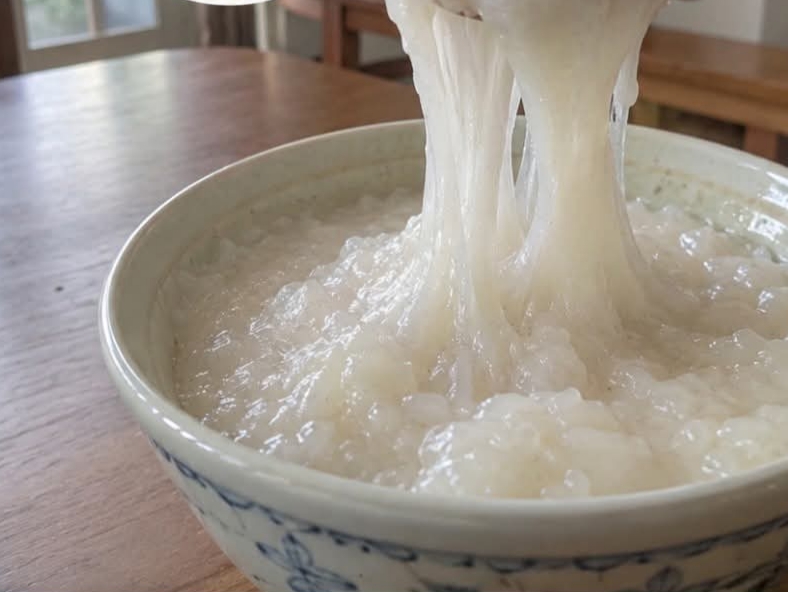
Stiff knees can make the first steps out of bed feel heavier than they should, and achy joints can turn ordinary walking into a daily reminder that something is wrong. When that discomfort lingers, it is easy to feel frustrated, cautious, and even a little defeated. Many people chase quick fixes that promise instant relief, only to end up disappointed when the pain returns. The good news is that one simple morning bowl may support better joint comfort when used consistently, and the most useful detail is the one people usually overlook until the very end.Why Knee Discomfort Shows Up So EasilyThe knee is one of the hardest-working joints in the body. It bears your weight every time you stand, walk, climb stairs, or rise from a chair. Over time, wear and tear, past injuries, weaker muscles around the joint, extra body weight, and low-grade inflammation can all make the knee feel stiff or sore.Surgery is not the answer for every person, and neither is hoping the pain will simply disappear. Research shows that joint symptoms usually improve best when nutrition, movement, and strength work are combined rather than relying on a single food or supplement.The truth is, the knee often hurts more when the muscles around it are not doing enough of the work.The Morning Bowl That Is Getting So Much AttentionHere is the interesting part. This bowl is not flashy, expensive, or complicated. It combines a familiar grain base with protein and a few simple add-ins that can fit into a real morning routine. That matters because consistency is what helps most people stick with healthier habits long enough to notice a difference.Instead of chasing dramatic claims, this approach focuses on steady nutrition that supports the bigger picture: maintaining a healthier weight, eating enough protein, and making it easier to repeat a joint-friendly routine day after day.It is not about fixing damaged cartilage overnight. It is about giving your body useful building blocks while you support the habits that matter most.What Goes Into the Bowl and Why It MattersThe base is usually a cooked grain such as oats, paired with a protein source and a liquid that makes the texture smooth and easy to eat. Each part has a purpose, and together they create a breakfast that is filling, practical, and gentle on busy mornings.The main ingredientsCooked oats or another whole grain: These provide slow-digesting carbohydrates and fiber, which help you stay full longer. Fiber also supports overall metabolic health, and that matters because extra body weight can place more stress on the knees.Protein add-in: Protein supplies amino acids, which the body uses to maintain tissues. Some studies suggest collagen peptides may support joint comfort in certain people when taken regularly over time, though the effects are usually modest and not instant.Milk or unsweetened soy milk: This adds creaminess and extra protein. Unsweetened soy milk is a helpful option if you want to avoid dairy but still keep the bowl nourishing.Cinnamon or other simple spices: These improve flavor without adding much sugar, which makes the bowl easier to enjoy consistently.But that is not the whole story. The real strength of this bowl is not one magic ingredient. It is the fact that it is simple enough to repeat, and repetition is what turns a good idea into a helpful habit.Why This Simple Bowl Can Be More Helpful Than Fancy Diet TrendsMany people get stuck in the cycle of trying dramatic wellness trends that are hard to maintain. They may be too expensive, too restrictive, or too time-consuming. This bowl works differently because it is realistic.Research on joint health consistently shows that long-term support usually comes from a combination of regular movement, strength training, healthy body weight, and balanced nutrition. A dependable breakfast can make that overall plan easier to follow.In other words, the bowl is not the cure. It is the support system.How to Make the Bowl in MinutesThis version is designed to be simple enough for rushed mornings. You do not need special tools, expensive powders, or a long list of ingredients.Follow these steps:1. Start with about half a cup of cooked oats.2. Stir in one scoop of unflavored collagen peptides if you choose to use them.3. Add half to one cup of milk or unsweetened soy milk, depending on the texture you prefer.4. Mix in a small pinch of cinnamon for flavor.5. Eat it as part of a normal breakfast, not as a stand-alone treatment for joint pain.Best practice is to use it several times per week, not just once and then forget about it. Timing matters less than regularity. Some people prefer it in the morning, while others like it after exercise because it provides both carbohydrates and protein.What Benefits You Can Realistically ExpectLet’s be honest about this. No breakfast bowl can rebuild cartilage on its own or replace physical therapy, exercise, or medical care. Still, it may support the habits that help your knees feel better over time.Possible benefits include:More consistent meal patterns that support healthier routinesBetter protein intake to help maintain lean muscleGreater fullness, which may reduce random snackingA simple breakfast that replaces highly processed morning foodsModest nutritional support for joint comfort when used consistentlySome research suggests collagen peptides may help certain people notice improved joint comfort after regular use over several weeks. Results vary, and that is important to remember. The bowl should be viewed as one helpful piece of a larger plan, not a miracle fix.Why Movement Still Matters More Than Any Single FoodHere is the part many people do not want to hear, but it is important. Strengthening the muscles around the knees, hips, and thighs often has a bigger impact on function than any single ingredient can provide.When those muscles are weak, the knee has to absorb more stress. That can make stairs, standing up, and walking feel harder than they should. A supportive breakfast can help, but it works best when paired with simple movement and strength work.Think of food as one tool and exercise as another. Together, they often work better than either one alone.Common Mistakes That Reduce the ResultsOne of the biggest mistakes is expecting immediate change after a single bowl. Joint support usually takes time. Another common error is turning the bowl into a sugary dessert, which can undermine the benefits.Other mistakes include:Trying it once and expecting instant pain reliefSkipping movement and strength training completelyUsing sweetened liquids with a lot of added sugarEating oversized portions when weight control is a goalIgnoring ongoing pain that needs medical evaluationBut there is more. If knee pain is mainly caused by an injury, arthritis, poor mobility, or another medical issue, food alone will not solve it. A complete approach matters much more than a single breakfast.Who May Benefit Most From This Morning BowlThis bowl may be especially useful for adults who want a fast breakfast that is filling, soft, and easy to repeat. It may also work well for people trying to increase protein intake without making breakfast complicated.It can be a good fit for those who want to replace processed breakfast foods with something more balanced. However, people with kidney disease, food allergies, or special protein needs should speak with a clinician or dietitian first.If your knee becomes hot, red, suddenly swollen, unstable, locked, or unable to bear weight, seek medical care promptly. Ongoing pain or swelling after an injury should also be evaluated by a professional.Actionable Tips You Can Start TodayIf you want to test this approach, keep it simple and consistent. The goal is not perfection. The goal is to build a habit you can actually maintain.Try these steps:1. Make the bowl three to four mornings this week.2. Use unsweetened milk or soy milk to keep added sugar low.3. Add fruit or a small handful of nuts if you want more fiber and staying power.4. Pair the breakfast routine with two short strength sessions each week for your thighs and hips.5. Track how your knees feel after two to three weeks, not after one serving.That last step matters. Many people quit too early because they expect a dramatic change too soon. In reality, steady habits usually win.What the Research Suggests About Joint SupportScientific reviews on joint health generally support a combined strategy: nutritious eating, regular movement, and strength training. Studies also suggest that collagen peptides may offer modest benefits for some people, especially when used consistently over time. The evidence is encouraging, but it does not support the idea of an overnight cure.That is why this bowl makes sense. It is practical, low-effort, and easy to repeat. Those qualities often matter more than people realize, because the best plan is usually the one you can follow long enough for it to work.ConclusionThis simple morning bowl stands out because it is easy to make, easy to repeat, and realistic for everyday life. It may help support better nutrition, fuller meals, and a more joint-friendly routine when used consistently. The honest truth is that it is not a miracle fix, but it can be a useful habit that fits naturally into a bigger knee-care plan.When you combine it with movement, balanced meals, and proper medical care when needed, it becomes far more valuable than a trendy quick fix.Frequently Asked QuestionsCan this bowl repair knee cartilage?No single food can repair damaged cartilage on its own. The bowl may support overall nutrition and joint-friendly habits, but it is not a cure.How often should someone eat it?Many people use it several times per week as part of a balanced diet. Consistency matters more than exact timing.Is this bowl better than exercise for knee discomfort?No. Strengthening exercises usually have stronger evidence for improving knee function. Food supports the process, but it does not replace rehabilitation or medical guidance.Disclaimer: This article is for informational purposes only and does not replace medical advice, diagnosis, or treatment. Always consult a qualified healthcare professional before making changes to your diet or exercise routine, especially if you have ongoing joint pain or other health concerns.
Stiff Knees and Achy Joints Find Steady Daily Support From This One Simple Morning Bowl