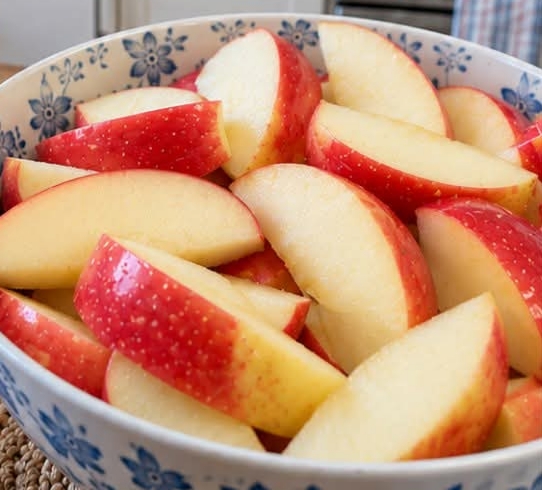
After a meal, that heavy, sleepy, foggy feeling can hit fast, and it often comes with a frustrating craving for something sweet only a short time later. Many people assume it is just “normal” fatigue, but repeated blood sugar spikes can leave you feeling drained, irritable, and hungry again far too soon. Over time, those sharp ups and downs may place extra demand on the pancreas, the organ that helps manage blood sugar behind the scenes. The good news is that a simple food habit built around three everyday fruits can help support steadier energy after meals, and the last one is the one most people overlook.Why Blood Sugar Spikes After Meals Feel So RoughWhen you eat a meal high in refined carbohydrates or low in fiber, glucose can enter the bloodstream quickly. In response, the body releases insulin to help move that glucose into cells for energy. That process is normal, but when the rise is too fast, the drop that follows can feel uncomfortable.Research on post-meal glucose response shows that sharper spikes are often linked with more hunger, less stable energy, and a greater chance of cravings later in the day. In simple terms, the bigger the swing, the harder it can be to feel steady afterward.That is why the goal is not to fear carbohydrates, but to slow the rise so your body does not feel like it is constantly playing catch-up.What Makes Some Foods Easier on Blood SugarSugar does not enter the bloodstream at the same speed from every food. The structure of the food matters. Whole foods with fiber, water, and intact skins tend to digest more slowly than foods that are juiced, pureed, or heavily processed.Fiber is especially important because it helps slow digestion and supports a more gradual release of glucose. Water adds volume and helps with fullness. And when a fruit is eaten whole, its natural structure stays intact longer, which can make a real difference in how your body responds.But that is not all. How you combine foods also matters. Pairing fruit with protein or healthy fat can further slow digestion and help you feel satisfied for longer.The 3 Everyday Fruits That Support Steadier EnergyThese three fruits are easy to find, simple to prepare, and naturally rich in fiber compared with many other snack options. They are not magic foods, and they are not meant to replace medical care. Still, they can be a smart part of a daily routine that supports more stable energy.1. BerriesBerries such as blueberries, raspberries, and blackberries are among the most practical choices for a blood-sugar-friendly snack. They offer fiber, water, and natural sweetness without the same impact you might get from many processed snacks.Because berries are small and often eaten by the handful, they also encourage slower eating. That matters more than many people realize. Slower eating gives your body time to register fullness, which may help reduce overeating later.According to general nutrition research, berries tend to have a favorable glycemic impact compared with many refined snack foods, especially when eaten whole and not turned into juice.2. ApplesApples are a classic for a reason. They are portable, affordable, and naturally high in fiber, especially when eaten with the skin on. The skin contains much of the fiber that helps slow digestion.A whole apple is very different from apple juice or applesauce. Once the fruit is broken down into liquid or a soft puree, it can be absorbed more quickly. That is why the whole fruit is usually the better choice if you want steadier energy.Here’s the interesting part: apples are easy to pair with other foods, which makes them even more useful as a snack.3. PearsPears are often overlooked, but they deserve more attention. They are naturally juicy, filling, and rich in fiber, which makes them a strong option when you want something sweet without a rapid energy crash afterward.Like apples, pears are best eaten whole and with the skin on. The skin helps preserve the fiber content, and the fruit’s high water content adds volume that can help you feel satisfied.Many people find pears especially helpful in the afternoon, when cravings tend to show up and energy starts to fade.A Simple Comparison of the Three FruitsHere is a quick look at how these fruits compare in everyday use:Fruit Best Form Main Benefit Easy Pairing IdeaBerries Whole, fresh or frozen High fiber, lower sugar load per serving Plain Greek yogurtApple Whole with skin Fiber helps slow digestion Nut butterPear Whole with skin Fiber plus water for fullness Handful of nutsWhy Pairing Fruit With Protein or Fat HelpsThis is where the habit becomes even more effective. Fruit on its own can be a good choice, but adding protein or healthy fat often helps slow stomach emptying and supports longer-lasting fullness.For example, berries with plain yogurt, apple slices with peanut butter, or pear slices with almonds can be more satisfying than fruit alone. Mixed meals and snacks like these often lead to a gentler rise in blood sugar than carbohydrate foods eaten by themselves.In other words, the fruit is helpful, but the pairing is what turns a good snack into a smarter one.What Research Generally SuggestsStudies on glycemic response and meal composition generally show that fiber-rich, minimally processed foods tend to produce smaller post-meal blood sugar rises than refined foods. Research also suggests that meals with more fiber may help improve satiety, which can reduce the urge to keep grazing between meals.That does not mean one food will work the same way for everyone. Sleep, stress, activity level, and total meal pattern all play a role. Still, small daily habits often matter more than dramatic short-term changes.And that is the key point: consistency usually wins over perfection.Actionable Tips You Can Start TodayIf you want to put this into practice right away, keep it simple. Start with one change and build from there.Choose one serving of berries, one whole apple, or one whole pear each day.Keep the skin on apples and pears whenever possible.Pair fruit with a protein or healthy fat, such as yogurt, nuts, or nut butter.Eat slowly and avoid rushing through snacks.Choose whole fruit instead of juice, dried fruit, or purees when you can.Pay attention to how you feel one to two hours later.Here’s a practical way to make it stick: keep fruit where you can see it. Put berries in the front of the fridge, apples in a bowl on the counter, and pears somewhere easy to grab. Convenience often decides what we eat more than willpower does.A Sample Day Using This HabitIf you are not sure how to begin, try this very simple pattern:Breakfast: Greek yogurt with berriesAfternoon snack: One apple with peanut butterEvening option: A pear with a small handful of almondsThis is not a strict plan. It is just an easy framework that shows how the habit can fit into real life without complicated rules.Why This Habit Can Be Easier to KeepOne reason this approach works for many people is that it does not feel extreme. There is no need to count every bite or eliminate entire food groups. Instead, you are simply choosing foods that naturally support a steadier response after meals.That makes the habit more realistic, and realistic habits are the ones people usually keep. Over time, that can mean fewer energy crashes, fewer random cravings, and a more predictable day.But remember, the goal is support, not perfection. One snack will not define your health. The pattern you repeat over weeks and months matters much more.ConclusionWhole berries, apples, and pears can be a simple, everyday way to support steadier energy after meals. Their fiber, water, and natural structure help slow digestion, and pairing them with protein or healthy fat can make the effect even better. If you want a small habit that is easy to start and easy to repeat, this is one of the most practical places to begin.Frequently Asked QuestionsWhich fruit is best for steady energy?All three can be helpful, but pears often stand out because they are filling and naturally rich in fiber and water. The best choice is usually the one you will eat consistently.Is whole fruit better than juice?Yes, in most cases. Whole fruit keeps its fiber and natural structure, which can help slow digestion more than juice or puree.When is the best time to eat these fruits?They can work well as a snack between meals or as part of a meal. Many people also like them paired with protein or healthy fat for better fullness.Disclaimer: This article is for informational purposes only and is not a substitute for professional medical advice, diagnosis, or treatment. Always speak with a qualified healthcare provider before making major changes to your diet, especially if you have diabetes, prediabetes, or another health condition.
This Powerful 3-Food Habit Quietly Stops Dangerous Blood Sugar Spikes That Destroy Your Pancreas