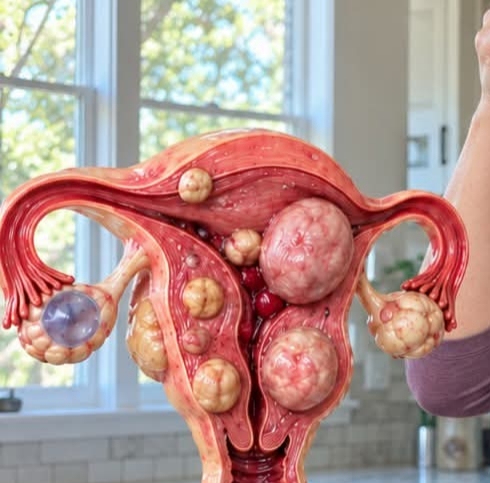
Heavy bleeding that soaks through pads too quickly, leaves you exhausted, and makes everyday plans feel risky is not something to brush off. It can drain your energy, disrupt sleep, and create a constant fear that something inside your body is changing without warning. Viral “kitchen drink” advice may sound comforting, but it often gives false hope when the real issue is a structural one. The good news is that there are clearer, safer ways to understand what is happening, and one important detail most people miss is coming up later in this article.Why the Uterus Keeps Bleeding With Fibroids and CystsUterine fibroids are noncancerous growths made of muscle and fibrous tissue that develop in or on the uterus. They can stretch the uterine lining and interfere with the normal tightening of blood vessels during a period, which may lead to heavier or longer bleeding. Fibroids that grow close to the uterine cavity often cause the most noticeable changes.Ovarian cysts are fluid-filled sacs that develop on or inside the ovaries. Many are functional cysts, which means they form as part of a normal menstrual cycle and may go away on their own within one or two cycles. That timing can create confusion, especially when someone starts a new tea or juice at the same time the cyst naturally improves.Saying a drink “fixed” fibroids or cysts can be misleading, because the body may already have been following its own timeline.Surgical or medical treatment decisions depend on the cause, size, symptoms, and personal goals. According to clinical guidance from organizations such as ACOG, management for symptomatic fibroids may include medication, procedures, or surgery depending on the situation. No major guideline recommends a homemade drink as a primary treatment.Fibroids Versus Ovarian Cysts: The Real DifferencesThese two conditions can feel similar from the outside, which is why self-diagnosis often goes wrong. Heavy periods, pelvic pressure, bloating, and fatigue may happen with fibroids. One-sided pain that comes and goes, or sudden pain with nausea, is more often linked with a cyst that has changed, twisted, or ruptured.Here is a simple comparison that helps separate them:Feature Uterine Fibroids Ovarian CystsComposition Solid muscle and fibrous tissue Usually fluid-filledLocation In or on the uterus On or inside the ovariesTypical bleeding pattern Heavy or prolonged menstrual bleeding May affect cycle timing, not always bleedingCommon pattern over time Often persists unless treated or after menopause Many functional cysts resolve within 1–2 cyclesCommon test Ultrasound UltrasoundBut that is not the whole story. The same symptom can have very different causes, and that is why imaging matters. A fibroid and a cyst may both cause pelvic discomfort, but they do not behave the same way and they do not need the same approach.What Research Actually Says About Kitchen DrinksThere is a lot of online content about teas, juices, and “natural cleanses,” but the research is much more limited than social media suggests. Some studies have looked at concentrated extracts or supplements, not ordinary home drinks. For example, a small pilot study on green tea extract suggested possible benefits for fibroid size and bleeding, but the dose used was far higher than a regular cup of tea.Research has also looked at vitamin D, and some studies suggest a possible link between low vitamin D levels and fibroid growth. A 2024 meta-analysis reported that supplementation may help reduce fibroid size in some people, but the studies were relatively small and more research is still needed. This is why scientists are cautious about making strong claims.Here is the important takeaway: supportive habits may help overall wellness, but they are not the same as proven treatment. No high-quality evidence shows that a homemade tea, detox drink, or juice can reliably shrink fibroids or stop heavy bleeding.That is the key difference between a wellness habit and a medical treatment: one may support your body, while the other is designed to target a specific problem.Reviews of herbal approaches have also noted that current evidence is not strong enough to confirm them as dependable treatment. In other words, the research does not support replacing medical evaluation with a drink recipe.Signs That Deserve Prompt AttentionSome symptoms should not wait, especially if bleeding is affecting your daily life. Heavy menstrual bleeding can lead to low iron stores over time, which may cause fatigue, weakness, or shortness of breath. That can make everything feel harder than it should.Watch for these warning signs:Soaking through a pad or tampon every hour for several hoursBleeding that lasts longer than seven daysBleeding between periodsDizziness, faintness, or unusual weaknessSudden, severe one-sided pelvic painFever, nausea, or vomiting with pelvic painAny bleeding after menopauseAnd this is the part many people miss: fatigue from heavy bleeding can become a cycle of its own. When iron stores drop, your body has less reserve, and even mild symptoms can feel overwhelming. That is why clinicians often check a complete blood count and iron levels when heavy bleeding is reported.What Actually Helps: A Practical Step-By-Step PlanIf you are dealing with heavy bleeding or pelvic symptoms, a clear plan can reduce stress and help you get answers faster. These steps are simple, but they matter.Step 1: Track your symptoms for two cyclesWrite down how many pads or tampons you use, how often you change them, how many days bleeding lasts, whether you pass clots, and whether you feel dizzy or weak. This gives your clinician a much clearer picture than memory alone.Step 2: Schedule an evaluationBook an appointment with a gynecologist or primary care clinician. Ask whether a pelvic exam, ultrasound, and blood work would be appropriate. Ultrasound is often the main test used to look at both the uterus and the ovaries.Step 3: Ask about anemia screeningIf you have heavy bleeding and fatigue, ask whether a complete blood count and iron studies make sense for you. Research and clinical practice both support checking for anemia when bleeding is persistent or heavy.Step 4: Bring a full list of what you useInclude supplements, teas, medications, and over-the-counter pain relievers. This helps your clinician see the full picture and avoid interactions or confusion.Step 5: Use supportive habits while you waitThese habits will not remove fibroids or cysts, but they may help you feel better day to day:Drink enough water throughout the dayChoose more fruits, vegetables, and fiber-rich foodsLimit sugary drinks if they make you feel worseUse a heating pad for cramps if it helpsRest when your body asks for itTry gentle movement, such as walking, if comfortableBut that is not the whole story. Supportive care is useful, yet it works best alongside proper evaluation. It should never be used to delay care when bleeding is heavy or symptoms are worsening.What to Expect From Real Treatment OptionsIf fibroids are the cause, treatment may include medication to reduce bleeding, hormonal options, non-hormonal options, or procedures depending on the size and location of the fibroid. If a cyst is the issue, the plan may be watchful waiting, repeat imaging, pain management, or further evaluation if the cyst looks complex or symptoms are severe.The right option depends on your age, symptom severity, fertility goals, and whether the growth is changing over time. This is why a one-size-fits-all drink recommendation does not work. The body needs the right diagnosis before the right solution can be chosen.When people get the correct diagnosis, the fear often drops because the next step becomes clear.ConclusionHeavy bleeding is exhausting, and it can feel frightening when the cause is unclear. Fibroids and ovarian cysts are different conditions, and they do not respond the same way to home remedies. Some cysts may resolve naturally, while fibroids usually need proper evaluation before any meaningful treatment plan can be made.The most helpful next step is not another viral drink recipe. It is a real assessment with ultrasound and blood work when needed, so you can move from guessing to understanding. Supportive habits can help you feel more comfortable, but they should sit beside medical care, not replace it.Frequently Asked QuestionsCan any kitchen drink make fibroids or cysts disappear?No. There is no strong evidence that a homemade drink can reliably shrink fibroids or make ovarian cysts disappear. Some cysts go away on their own, which can make a drink seem responsible when it was likely timing.What is the first test for heavy uterine bleeding?A pelvic evaluation and ultrasound are common first steps, often along with blood tests to check for anemia or iron deficiency. These help identify whether fibroids, cysts, or something else is causing the bleeding.Should I worry if my periods suddenly become much heavier?Yes, especially if the change is new, lasts longer than usual, includes large clots, or leaves you dizzy or very tired. A sudden change deserves medical evaluation.This article is for general educational purposes only and is not a substitute for personalized medical advice, diagnosis, or treatment. Seek prompt medical care for heavy bleeding, severe pain, fainting, fever, or any bleeding after menopause.
The Uterus Continues Bleeding Relentlessly While Fibroids and Cysts Ignore Every Kitchen Drink