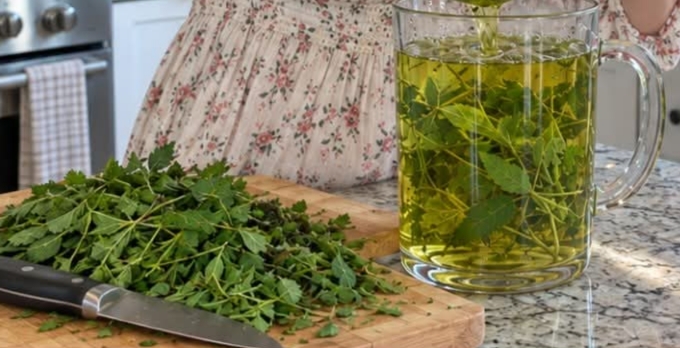
Pelvic pressure after 45 can feel like a heavy, dragging weight that shows up in the middle of an ordinary day and refuses to leave. It can make sitting uncomfortable, tighten clothing by afternoon, and leave you feeling tired before dinner even starts. Many women quietly assume it is “just part of getting older,” which makes the discomfort even more frustrating. The good news is that small daily habits can make a real difference in how your body feels, and one of the most overlooked routines is surprisingly simple. Keep reading, because the most useful part comes at the end.Why Pelvic Pressure Often Feels Worse After 45After 45, the body begins to change in ways that can affect fluid balance, digestion, and tissue sensitivity. Hormonal shifts during perimenopause and menopause can influence how the pelvis feels from day to day. For some women, that means more bloating, more fullness, and more awareness of the lower abdomen.And that is not all. Research shows that inflammation and fluid retention can contribute to a heavier, more uncomfortable feeling in the pelvic area. In some cases, conditions such as fibroids, constipation, or bladder changes may also play a role. That is why it is important not to ignore new or worsening pressure, especially if it comes with other symptoms.The key point is this: pelvic pressure is often a signal, not a personality trait of midlife.The Inflammation-Bloat ConnectionHere is where things get interesting. When the body is dealing with ongoing low-grade inflammation, tissues may feel more swollen and sensitive. That can make the pelvis feel heavier, especially later in the day when digestion slows and fluid can settle.Studies have shown that certain food compounds, including those found in ginger and turmeric, may support a healthier inflammatory response. These ingredients are not a cure, and they are not a replacement for medical care. But they are commonly used in wellness routines because they are gentle, easy to fit into daily life, and supported by research on general inflammation.That is why many women notice the biggest difference not from one dramatic change, but from a consistent routine that supports the body every day.The Overlooked Daily Routine Many Women MissThe routine is simple: start the day with a warm, anti-inflammatory drink and pair it with a few supportive habits that reduce pressure throughout the day. This works best as a pattern, not a one-time fix.Here is the part many people overlook: the drink alone is helpful, but the real benefit comes when it is combined with hydration, movement, and lower-sodium food choices. In other words, this is not about chasing a miracle. It is about helping the body feel less overloaded.A Simple Morning Drink RoutineOne of the most commonly used options is a warm turmeric-ginger drink. It is easy to prepare and gentle enough for most people to use regularly.Basic recipe:1 cup warm water or unsweetened almond milk1/2 teaspoon ground turmeric1/2 teaspoon fresh grated ginger or 1/4 teaspoon ground gingerA pinch of black pepperOptional: a small amount of honey or lemon for tasteBlack pepper is often included because it may help the body absorb curcumin, the active compound in turmeric. Ginger is also widely studied for its digestive and anti-inflammatory support. According to general nutrition research, these ingredients may be helpful as part of an overall healthy routine.Why This Routine Can Feel So EffectiveWarm drinks can be soothing in the morning, especially if you often feel bloated or stiff on waking. They may also encourage hydration early in the day, which matters more than many people realize. When you start the day well-hydrated, digestion and circulation often feel smoother.But that is only one piece of the picture. The routine becomes more effective when it is paired with habits that reduce the pressure load on your body.Daily Habits That Support Pelvic ComfortWomen who feel better often do a few simple things consistently. These habits do not need to be extreme to be useful.Drink water steadily throughout the day instead of waiting until you feel thirsty.Choose fewer processed foods that are high in sodium.Take short walks after meals to support digestion and circulation.Stand up and stretch if you sit for long periods.Prioritize sleep, because poor rest can make inflammation feel worse.Research suggests that sleep, movement, and diet quality all influence how the body handles inflammation. That does not mean every symptom disappears overnight. It does mean your daily choices can change how much stress your body carries.What to Expect in a Realistic TimeframeMost people want to know how fast they will notice a difference. The honest answer is that results vary. Some women feel lighter within a few days, while others need a few weeks of consistency before they notice less bloating or less heaviness by afternoon.Here is the important part: if your pelvic pressure is caused by an underlying medical issue, lifestyle habits may help with comfort but will not address the root cause. That is why it is smart to pay attention to patterns and get checked if symptoms are new, severe, or changing.A helpful routine can support comfort, but it should never delay proper medical evaluation.How to Start Today: A Step-by-Step PlanIf you want a practical place to begin, keep it simple. Small actions are easier to maintain, and consistency matters more than intensity.Make the warm turmeric-ginger drink tomorrow morning and drink it slowly.Drink a full glass of water before lunch.Take a 10-minute walk after one meal today.Swap one salty processed snack for fruit, yogurt, or nuts.Notice whether your pelvic pressure feels better, worse, or unchanged by evening.Try this for two weeks before judging the routine. Many women quit too soon because they expect instant change. But the body often responds best to steady, repeated support.When Pelvic Pressure Needs Medical AttentionSome pressure can be related to everyday changes, but certain signs should not be ignored. A healthcare professional should evaluate symptoms that are new, severe, or getting worse.Get checked sooner if you notice:Heavy or unusual bleedingSharp or persistent painPressure with fever or nauseaFrequent urination that is new or severeA noticeable change in abdominal sizeThese symptoms do not automatically mean something serious, but they do deserve attention. Early evaluation can help identify the cause and guide the right next step.Why This Routine Fits So Well Into MidlifeOne reason this approach is so popular is that it is realistic. It does not require expensive products, complicated meal plans, or a complete lifestyle overhaul. It simply gives the body a steady source of support while you keep living your life.And that matters. Midlife is already full enough without adding one more overwhelming health trend. A warm daily drink, more water, gentle movement, and less processed food can be a practical combination for many women who want to feel more comfortable in their own bodies.According to general findings in nutrition and lifestyle research, habits that reduce inflammation and improve digestion often support better day-to-day comfort. That is why simple routines can sometimes feel more powerful than dramatic ones.ConclusionPelvic pressure after 45 is common, but it does not have to become your new normal. A consistent morning turmeric-ginger drink, paired with hydration, movement, and smarter food choices, may help reduce the heavy, bloated feeling many women experience. The goal is not perfection. The goal is giving your body fewer reasons to feel weighed down.If you remember only one thing, remember this: the best results usually come from small habits done consistently, not from one big change done once.Frequently Asked QuestionsWhat causes pelvic pressure after 45?Common causes include hormonal changes, fluid retention, bloating, constipation, and sometimes conditions such as fibroids or bladder changes. A healthcare professional can help identify the cause.Can a turmeric-ginger drink replace medical treatment?No. It is a supportive wellness habit, not a treatment. If you have ongoing or severe symptoms, medical evaluation is important.How long does it take to notice a difference?Some women notice changes within a few days, while others need a few weeks of daily consistency. Results vary depending on the cause of the pressure and your overall habits.Disclaimer: This article is for informational purposes only and does not provide medical advice, diagnosis, or treatment. Always consult a qualified healthcare professional if you have persistent, severe, or new pelvic symptoms, or before making significant changes to your diet or lifestyle.
Pelvic Pressure After 45 Ends Once Women Adopt This Overlooked Daily Routine