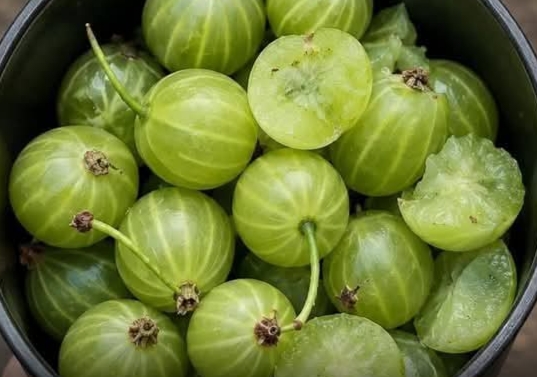
IntroductionThe internet can be a wild place, full of sensational headlines and whispered secrets. You might have stumbled upon a provocative claim: “Doctors Won’t Tell You What Gooseberry Does to Your Kidneys.” While healthcare professionals are certainly well-versed in the benefits of nutrient-rich foods, it’s true that certain natural powerhouses, like the humble gooseberry, sometimes fly under the radar in mainstream discussions. But today, we’re pulling back the curtain, not on a hidden medical conspiracy, but on the incredible, well-documented potential of this tart little fruit, especially when it comes to supporting your kidney health and overall well-being.Gooseberries, particularly the Indian variety known as Amla (Phyllanthus emblica), have been revered for centuries in traditional medicine systems like Ayurveda. Far from being a secret, their health-boosting properties are widely celebrated in many cultures. These small, round, green berries, often translucent with distinct ridges, pack a powerful punch of vitamins, antioxidants, and other beneficial compounds. Their taste profile is uniquely tart, sour, and astringent, sometimes with a slight bitterness, but often followed by a surprisingly sweet or umami aftertaste that makes them incredibly versatile in culinary applications. Forget the idea of a “doctor’s secret” and instead, embrace the open secret of nature’s bounty.Before we dive into the delicious world of gooseberry-infused recipes and explore how these amazing fruits can contribute to your health, it’s crucial to state a clear disclaimer: this article is designed for informational purposes only and should not be considered medical advice. While we’ll discuss the potential health benefits of gooseberries, particularly their role in supporting kidney function, always consult a qualified healthcare professional for any kidney health concerns or before making significant dietary changes, especially if you have existing medical conditions or are on medication. Our goal here is to empower you with knowledge and provide delicious, practical ways to incorporate this nutritional gem into your diet, fostering a proactive approach to your wellness journey.Nutritional InformationPer serving (approximate values for 1/2 cup fresh gooseberries):Calories: 33Protein: 0.7gCarbohydrates: 8gFat: 0.1gFiber: 3.3gSodium: 1mgIngredients1 cup fresh gooseberries (Amla), rinsed and destemmed1-inch piece fresh ginger, peeled and roughly chopped1/2 cup filtered water (or more, for desired consistency)1-2 tablespoons honey or maple syrup (optional, to taste)Pinch of black salt or rock salt (optional, for enhancing flavor)Fresh mint leaves for garnish (optional)InstructionsPrepare the Gooseberries: Rinse the fresh gooseberries thoroughly under cold water. Gently remove any small stems or blemishes. For easier blending, you can roughly chop the gooseberries, but it’s not strictly necessary as blenders are quite powerful.Combine Ingredients: Place the prepared gooseberries, chopped ginger, and 1/2 cup of filtered water into a high-speed blender.Blend Until Smooth: Blend on high speed until the mixture is completely smooth and no large pieces remain. This might take 1-2 minutes.Strain (Optional, for a Smoother Drink): For a smoother, pulp-free juice, pour the blended mixture through a fine-mesh sieve or a nut milk bag into a clean bowl or pitcher. Use the back of a spoon to press down on the solids to extract as much liquid as possible. Discard the pulp, or save it for another use (like composting or adding to baked goods for fiber). If you prefer a thicker, fiber-rich smoothie, you can skip this straining step.Sweeten and Season (Optional): Taste the juice. Gooseberries are quite tart, so you may wish to add honey or maple syrup to sweeten it to your preference. Start with 1 tablespoon and add more if needed. A small pinch of black salt or rock salt can also surprisingly enhance the flavor and balance the tartness. Stir well until dissolved.Serve: Pour the gooseberry and ginger detox juice into a glass. You can serve it immediately, chilled, or over ice. Garnish with a fresh mint leaf if desired.Daily Consumption: For potential benefits, consider drinking 1/2 cup of this juice daily, ideally on an empty stomach, as suggested by traditional practices.Cooking Tips and VariationsTo truly harness the power of gooseberries and enjoy their unique flavor, a few tips and variations can make all the difference. Their inherent tartness can be a surprise for first-timers, but it’s also their charm.Gooseberry & Ginger Detox Juice/Smoothie Tips:Sweetness Balance: Gooseberries are intensely tart. Don’t be afraid to use a natural sweetener like honey, maple syrup, or stevia to balance the flavor in your juice or smoothie. Start small and add to taste.Consistency Control: For a thinner juice, add more water during blending or strain thoroughly. For a thicker, more satiating smoothie, use less water and avoid straining. You can also add a small piece of banana or half an apple for a creamier texture and extra sweetness.Spice It Up: Beyond ginger, a tiny pinch of cardamom powder or a dash of black pepper can add an interesting depth to your gooseberry juice, complementing its unique profile.Freshness is Key: While frozen gooseberries can be used, fresh ones offer the best flavor and nutrient profile for raw consumption.Variations for Incorporating Gooseberries:Spiced Gooseberry Chutney/Relish: This is a fantastic way to enjoy gooseberries with meals. Simmer chopped gooseberries with spices like cumin, mustard seeds, fenugreek, turmeric, chili powder, and a touch of sugar or jaggery until it thickens. It’s a wonderful accompaniment to curries, rice, or even as a spread.Gooseberry Infused Water: A simple and refreshing way to get a subtle dose of gooseberry goodness and boost hydration. Slice a few gooseberries and add them to a pitcher of water with a few mint leaves or cucumber slices. Let it infuse in the refrigerator for a few hours.Gooseberry Tea: Steep dried gooseberry pieces or a few fresh slices in hot water. You can add honey and a squeeze of lemon for a soothing, immune-boosting tea.Gooseberry Jam or Preserve: For those with a sweet tooth, making a jam is a classic way to preserve gooseberries. The high pectin content makes them ideal for setting.Gooseberry Powder (Amla Powder): If fresh gooseberries are hard to find, organic amla powder is a convenient alternative. You can mix 1/2 to 1 teaspoon into water, smoothies, or yogurt. Ensure it’s a reputable brand.Savory Applications: Don’t limit gooseberries to sweet or tart drinks. Their acidity makes them excellent in savory dishes, similar to how cranberries or tamarind are used. Try adding a few chopped gooseberries to lentil stews (dal), or use them to brighten up a vegetable curry.Gooseberry in Salads: Thinly slice fresh gooseberries and add them to green salads for a burst of tartness and a unique flavor dimension. They pair well with nuts, cheese, and vinaigrette dressings.When cooking with gooseberries, remember their tartness and balance it with sweetness, other fruits, or savory spices. Experimentation is half the fun!Storage and ReheatingStorage for Fresh Gooseberries:Refrigerator: Fresh gooseberries can be stored in a perforated plastic bag or an open container in the crisper drawer of your refrigerator for up to 1-2 weeks. Ensure they are dry before storing to prevent mold.Freezer: For longer storage, gooseberries freeze exceptionally well. Wash and dry them thoroughly. You can freeze them whole in a single layer on a baking sheet until solid, then transfer them to an airtight freezer-safe bag or container. They can be stored for 6-12 months. Frozen gooseberries are perfect for smoothies, juices, or cooking, though their texture might be softer when thawed.Storage for Gooseberry & Ginger Detox Juice/Smoothie:Refrigerator: The freshly prepared gooseberry and ginger juice is best consumed immediately to maximize its nutrient content. However, you can store it in an airtight glass jar or bottle in the refrigerator for up to 24-48 hours. Beyond this, it may start to lose some of its potency and flavor.Freezer: While not ideal for a fresh juice, you can freeze portions of the juice in ice cube trays. Once frozen, transfer the cubes to a freezer-safe bag. These cubes can be added to other smoothies, or thawed and consumed, though the texture and flavor might be slightly altered.Reheating (Not Applicable for Juice):This recipe is for a fresh juice/smoothie and is not meant for reheating. It’s best served chilled or at room temperature. If you’ve made a gooseberry chutney or jam, those can be stored in airtight containers in the refrigerator for several weeks and reheated gently on the stovetop or in the microwave if desired.Frequently Asked QuestionsWhat exactly are the “kidney benefits” of gooseberries?While gooseberries are not a miracle cure for kidney disease, they possess several properties that can support overall kidney health. They are rich in antioxidants, particularly Vitamin C and polyphenols, which help combat oxidative stress—a major contributor to kidney damage. Their diuretic properties can aid in flushing toxins, promoting healthy urine flow, and preventing the buildup of waste products, thereby easing the burden on the kidneys. Furthermore, their anti-inflammatory compounds can help reduce inflammation within the body, which is beneficial for kidney function. The high water content in fresh gooseberries also contributes to hydration, essential for kidney health. It’s important to remember that these are supportive benefits as part of a healthy diet, not a treatment for existing conditions.Can I eat too many gooseberries? Are there any side effects?Gooseberries are generally safe for consumption in moderate amounts. However, due to their high Vitamin C content and tartness, consuming extremely large quantities might lead to digestive upset, such as diarrhea, stomach cramps, or acidity, especially if you’re not used to them. Individuals with sensitive stomachs or those prone to acidity should start with smaller amounts. If you are on blood-thinning medication, consult your doctor, as Vitamin K is present in gooseberries, though typically not in problematic amounts for most. As with any food, moderation is key; sticking to recommended daily amounts (like 3-5 fresh berries or 1/2 cup juice) is generally well-tolerated.Where can I find fresh gooseberries, and what if I can’t?Fresh gooseberries, particularly the Indian variety (Amla), are most commonly found in Indian grocery stores, Asian markets, or specialty health food stores, especially during their peak season (late autumn to early spring). Some farmers’ markets might carry them if you live in a region where they are cultivated. If fresh gooseberries are unavailable, you have excellent alternatives. Dried gooseberries (amla candy or dried pieces) are often sold in ethnic markets. Organic amla powder is widely available online and in health food stores; this concentrated form can be easily added to smoothies, water, or yogurt. Additionally, some brands offer natural gooseberry juice or pulp, though always check for added sugars or preservatives.Can children or pregnant women consume gooseberries?For children, gooseberries can be a healthy addition to their diet in moderation, often diluted in juice or incorporated into smoothies to balance their tartness. However, always introduce new foods cautiously and observe for any reactions. For pregnant or breastfeeding women, while gooseberries are generally considered safe and nutritious, it’s always best to consult with a healthcare provider or a registered dietitian before making any significant dietary changes or incorporating new supplements. This ensures that any potential interactions with existing conditions or medications are avoided, and that the dietary choices are appropriate for the specific stage of pregnancy or lactation.
Doctors Won’t Tell You What Gooseberry Does to Your Kidneys