
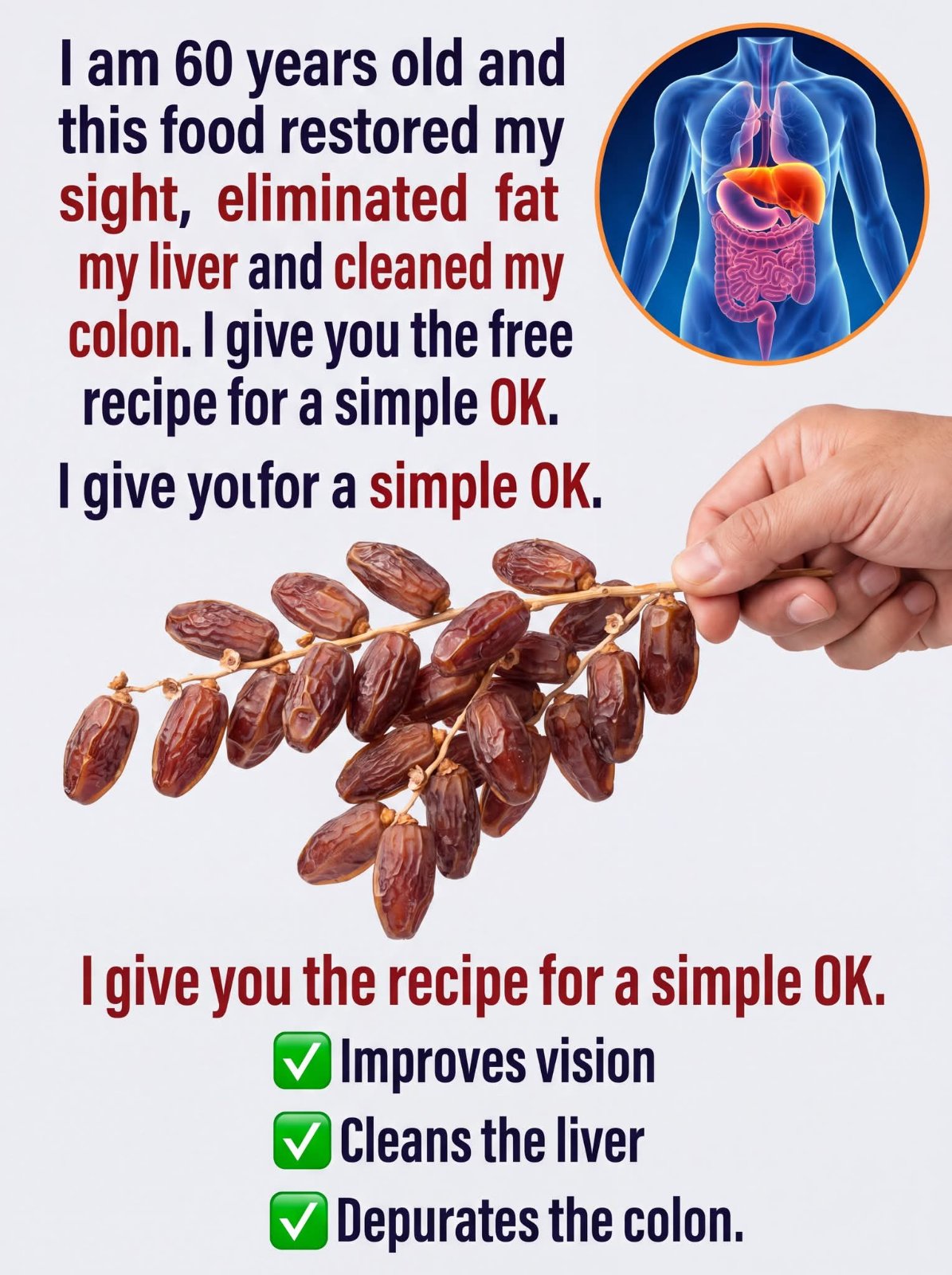
Dates: A Nutritious Food for the Colon, Liver, and Eye Health
Dates are a delicious and versatile fruit that have been cherished for thousands of years for their sweet flavor and impressive health benefits. Particularly, they provide significant nutritional support for colon, liver, and eye health. In this article, we will explore the health advantages of incorporating dates into your diet, delve into their nutritional profile, and provide tips on how to enjoy them in a variety of ways.
Nutritional Profile of Dates
Before we discuss the health benefits of dates, it’s essential to understand their nutritional value. A typical serving of dates, which is around three to four pieces or 100 grams, contains:
– Calories: Approximately 277
– Carbohydrates: 75 grams
– Fiber: 7 grams
– Protein: 2 grams
– Fat: 0.15 grams
– Vitamins: Including B vitamins such as B6 and folate
– Minerals: High in potassium, magnesium, copper, manganese, and iron
The high natural sugar content in dates, mainly from fructose and glucose, provides a quick energy boost, making them an excellent choice for athletes and anyone needing a mid-day snack.
Colon Health
Fiber Content
The fiber content in dates plays a crucial role in maintaining digestive health. This soluble and insoluble fiber aids in digestion by promoting regular bowel movements, thereby preventing constipation. A diet rich in fiber can also lower the risk of developing colonic diseases, including diverticulosis and colorectal cancer.
Prebiotic Properties
Moreover, dates act as prebiotics, which means they provide nourishment to the beneficial bacteria in the gut. A healthy gut microbiome is essential for optimal digestion and can contribute to improved immune function, further enhancing colon health.
Liver Health
Detoxification Support
Dates are also beneficial for liver health. The liver is responsible for detoxifying the body, and dates assist in this vital function. Their rich antioxidant content, particularly flavonoids, and polyphenols, helps combat oxidative stress and inflammation in the liver. These compounds can reduce the risk of liver diseases and support overall liver function.
Nutrient Absorption
Additionally, the minerals found in dates, specifically potassium and magnesium, support liver function by aiding in nutrient absorption. A well-functioning liver is essential for the proper metabolism of nutrients and toxins, thereby ensuring overall health.
Eye Health
Rich in Antioxidants
Dates are a powerhouse of antioxidants which are critical for maintaining eye health. They contain carotenoids, lutein, and zeaxanthin—compounds that protect against oxidative damage and help reduce the risk of age-related macular degeneration (AMD) and cataracts. The antioxidants in dates help combat free radicals that can lead to cellular damage and, subsequently, vision problems.
Vision Preservation
Incorporating dates into your diet can support vision preservation. The nutrients in dates not only help protect eye tissue but also maintain optimal eye function as you age. Eating foods with high antioxidant levels is a preventive strategy against various eye conditions.
How to Incorporate Dates into Your Diet
Snack on Them Raw
One of the simplest ways to enjoy dates is to eat them raw. They are naturally sweet and can be a fantastic substitute for sugary snacks. For a quick treat, simply grab a few dates to satisfy your sweet tooth.
Add to Smoothies
Dates can be blended into smoothies for added sweetness and creaminess. Pair them with fruits such as bananas or berries, and for nutritional balance, consider adding spinach or kale. This not only enhances the flavor but also boosts the smoothie’s fiber and antioxidant levels.
Use in Baking
Another great way to incorporate dates is by using them in baking. They serve as a natural sweetener in cookies, cakes, and muffins. You can chop them and mix them into your favorite recipes, replacing refined sugars with a healthier alternative, thus enhancing the nutrition of your baked goods.
Stuffed Dates
Stuffed dates make for an elegant snack or appetizer. You can stuff them with nuts, like almonds or walnuts, or even with cheese for a savory twist. This combination not only adds flavor but also increases the healthy fat and protein content of the snack.
Salads and Grain Dishes
Chop dates and add them to salads or grain dishes such as quinoa or brown rice for a burst of sweetness. They pair exceptionally well with nuts, cheeses, and hearty greens, creating a balanced meal that delights the palate.
Conclusion
In conclusion, dates are much more than a sweet treat; they are a nutritional powerhouse that offers extensive health benefits. Adding dates to your diet can significantly improve your colon, liver, and eye health, making them an essential component of a balanced diet. With their high fiber, antioxidant, and nutrient content, dates promote overall well-being and can easily be integrated into various meals and snacks. So go ahead and indulge in this delicious fruit for a healthier lifestyle!