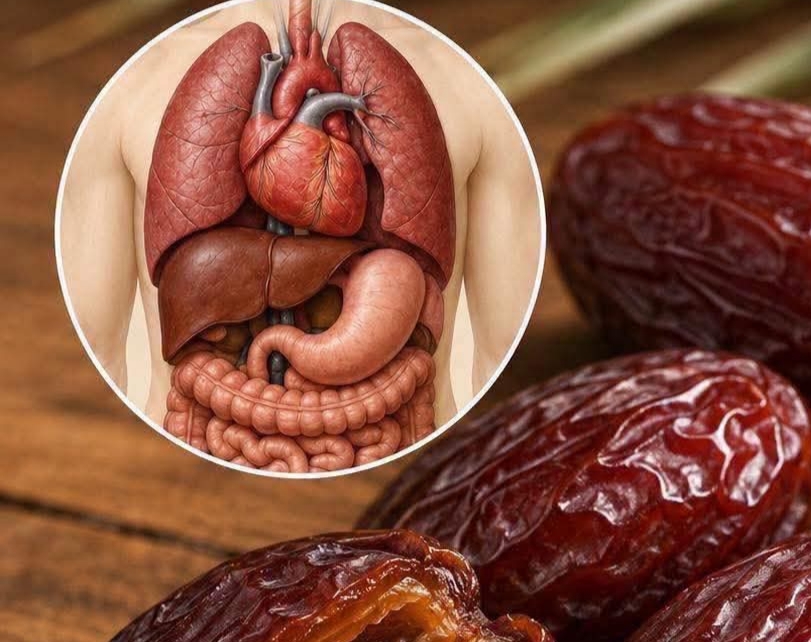
Dates don’t get much credit. They’re often lumped in with candy because they’re sweet, or dismissed entirely because people hear the word “sugar” and stop thinking.That’s a mistake.Dates are one of the most nutrient-dense fruits you can eat. They’ve been used for thousands of years as a source of energy, minerals, and digestive support, and they still hold up today. When eaten in reasonable amounts, they can support gut health, provide steady energy, and contribute important nutrients like potassium, magnesium, and fiber.In this article, we’re breaking down what dates are, what’s in them nutritionally, and the health benefits they actually offer.Let’s get into it.What Are Dates?Dates are the fruit of the date palm tree (Phoenix dactylifera), cultivated for thousands of years in the Middle East, North Africa, and parts of Asia. Historically, dates were a staple food: portable, shelf-stable, energy-dense, and rich in minerals necessary for survival in hot climates.Most of the dates you see in grocery stores are dried dates, not fresh. This matters because drying concentrates their sugars and nutrients, which is why dates taste intensely sweet but also provide fiber, potassium, magnesium, and antioxidants in a relatively small package.There are hundreds of date varieties, but the most common include:Medjool dates: large, soft, caramel-like, very sweetDeglet Noor dates: smaller, firmer, mildly sweetBarhi, Zahidi, Ajwa: less common but nutritionally similarEach variety has a slightly different texture and sugar profile, but the health benefits are largely consistent across types.Date Nutrition BreakdownBefore we talk benefits, let’s take a look at the nutrients in dates.Calories and Macronutrients (Per 1 Medjool Date)Calories: ~66Carbohydrates: ~18 gNatural sugars: ~16 gFiber: ~1.6 gFat: 0 gProtein: ~0.4 gDates are carbohydrate-dense, but that carbohydrate comes packaged with fiber, minerals, and phytochemicals, which matters metabolically.Vitamins and Minerals in DatesDates may not look like a “nutrient bomb,” but they quietly deliver:Potassium (key for blood pressure and nerve signaling)Magnesium (muscle relaxation, glucose metabolism)Copper (iron metabolism and connective tissue)Manganese (bone health, antioxidant enzymes)Vitamin B6 (nervous system support, neurotransmitters)Small amounts of iron (non-heme)They also contain polyphenols and flavonoids, which contribute to their antioxidant effects.Are Dates Too High in Sugar? Let’s Clear This UpThis is where people either overthink… or get scared unnecessarily.Yes, dates contain sugar.No, that doesn’t automatically make them unhealthy.Dates are whole fruit, not refined sugar. That means:Fiber slows glucose absorptionMinerals support insulin signalingChewing and digestion matterPortion size mattersDates do not behave the same way as candy, syrup, or baked goods, especially when eaten with protein or fat.That said, dates are not a free-for-all food. If you’re dealing with insulin resistance, blood sugar crashes, or intense carb cravings, how you eat dates matters more than whether you eat them at all.10 Health Benefits of DatesBelow are ten ways dates can contribute to better health when eaten regularly and in reasonable amounts.1. Support Digestive Health & RegularityDates are naturally high in soluble and insoluble fiber, which supports healthy bowel movements and intestinal motility.Soluble fiber helps:Soften stoolFeed beneficial gut bacteriaImprove stool consistencyInsoluble fiber adds bulk, which helps move waste through the colon more efficiently.Many people notice improved regularity when adding dates consistently, especially when hydration is adequate. Some traditional practices include soaking dates in water overnight, which can increase their laxative effect for people struggling with constipation.Bottom line: dates are gentle, food-based digestive support. Not harsh stimulants.2. Promote a Healthier Gut MicrobiomeYour gut bacteria don’t just eat fiber; they ferment it into compounds called short-chain fatty acids (SCFAs), which support gut lining integrity and immune function.Dates contain:Prebiotic fiberPolyphenols that selectively feed beneficial bacteriaThis combination may help reduce gut inflammation and support a more resilient digestive system over time.A healthy gut doesn’t just affect digestion. It impacts immunity, mood, and metabolic health.3. Provide Key Minerals for Bone HealthDates supply magnesium, manganese, and copper, all of which contribute to bone structure and mineral metabolism.Magnesium supports calcium utilizationManganese plays a role in bone matrix formationCopper supports connective tissue strengthDates won’t replace calcium-rich foods, but they support the systems that help your body use minerals effectively, which is often overlooked.Bone health isn’t just about calcium. It’s about an intricate balance of different minerals that all contribute to bone density and structure.4. Offer Natural Energy Without the CrashDates contain a combination of glucose and fructose, which provides both quick and sustained energy.That’s why dates have been used historically as:Travel foodLabor fuelPre-fasting nourishmentThey’re especially useful:Pre-workoutPost-workoutMid-afternoon energy dipsBlending dates with water (sometimes called “date-orade”) gives you carbohydrates without dyes, additives, or synthetic electrolytes.5. Support Heart HealthDates are rich in potassium, a mineral most people don’t get enough of.Potassium helps:Balance sodium levelsSupport healthy blood pressureMaintain normal heart rhythmImprove vascular functionDates also provide fiber and antioxidants, which are associated with improved cardiovascular markers when consumed as part of a whole-food diet.6. Provide Antioxidant & Polyphenol ProtectionDates contain several antioxidant compounds, including:FlavonoidsCarotenoidsPhenolic acidsThese compounds help reduce oxidative stress, which contributes to:Chronic inflammationCellular agingImmune dysregulationDarker, less processed dates tend to have higher polyphenol content.Antioxidants don’t cancel out unhealthy habits, but they do support cellular resilience when your diet is already doing the heavy lifting.7. May Support Blood Sugar Stability (When Eaten Strategically)This is where nuance matters.Despite being sweet, dates have a moderate glycemic impact when eaten in reasonable portions and when paired with fat or protein.What helps:Eating 1–3 dates instead of 6–10Pairing dates with nut butter, yogurt, or proteinAvoiding dates alone during blood sugar crashesFiber slows sugar absorption, but quantity still matters.8. Support Nervous System & Muscle FunctionPotassium and magnesium aren’t just “electrolytes.” They’re critical for nerve transmission and muscle contraction.Adequate potassium supports:Nervous system signalingMuscle relaxationHeart muscle rhythmMagnesium supports:Stress responseSleep qualityMuscle recoveryFor active people or those under chronic stress, dates can help replenish minerals lost to sweat or cortisol.9. Contribute to Iron Intake (With Important Context)Dates contain non-heme iron, which is less absorbable than iron from animal foods but still contributes to overall intake.To improve absorption:Pair dates with vitamin C-rich foodsAvoid pairing with coffee or teaThink of dates as supportive, not correctiveDates alone will not fix iron deficiency, but they can be part of a broader strategy.10. Traditionally Associated With Reproductive & Hormonal SupportHistorically, dates have been used in traditional diets to support fertility and reproductive health, likely due to their antioxidant content and mineral density.Antioxidants play a role in:Protecting reproductive cells from oxidative stressSupporting hormonal signaling pathwaysThis doesn’t make dates an aphrodisiac, but it does make them a nutrient-supportive food.How Many Dates Should You Eat Per Day?For most people, 2–4 dates per day is a reasonable range.More may make sense for:AthletesHighly active individualsPeople using dates as workout fuelLess may be appropriate if:Blood sugar feels unstableCravings escalate quicklyDates are eaten alone instead of with mealsThe most important thing is to listen to your body and see how it reacts depending on how many dates you consume.Healthy Ways to Eat DatesThere are many different ways to eat dates.Here are some food ideas to incorporate them into your diet:Stuffed with almond or peanut butterChopped into oatmeal or yogurtBlended into smoothies as a sweetenerUsed in homemade energy bitesPaired with nuts and sea saltThink of dates as the ingredient, not the centerpiece of the meal.Medjool vs Deglet Noor (and Other Common Date Varieties)There isn’t one “best” type of date nutritionally. Most varieties are similar in calories, fiber, and mineral content, but they differ quite a bit in texture, sweetness, and how they work in recipes. Choosing the right one usually comes down to taste and how you plan to use them.Medjool dates are large, very soft, and naturally rich-tasting, with a caramel-like sweetness. They’re ideal for eating on their own, blending into smoothies, stuffing with nut butter, or using in desserts where you want a smooth texture and pronounced sweetness.Deglet Noor dates are smaller, firmer, and less sweet. Because they hold their shape better, they work well for chopping into salads, oatmeal, baked goods, or energy bars, where you want little bits of sweetness without overpowering the dish.Zahidi dates are slightly drier and mildly sweet, making them a good option for people who enjoy dates but prefer something less sticky. They’re often used in baking or cooking and can also be simmered into sauces or date paste.Barhi dates, when fresh, are soft and almost creamy, with a flavor similar to butterscotch. They’re less commonly available but are often eaten as a snack rather than used in recipes.In the end, most people choose dates based on texture and flavor rather than nutrition, and that’s perfectly fine.The Bottom LineDates are a simple, whole food that can support digestion, energy levels, and overall nutrient intake when eaten in reasonable amounts. They provide fiber and minerals like potassium and magnesium, and naturally occurring sugars that can be useful rather than problematic when paired well and consumed with intention. Dates aren’t meant to replace balanced meals or solve health issues on their own, but they can be a valuable part of a well-rounded diet that prioritizes real food and consistency over extremes.
10 Amazing Health Benefits of Dates (and Why You Need To Start Eating Them!)