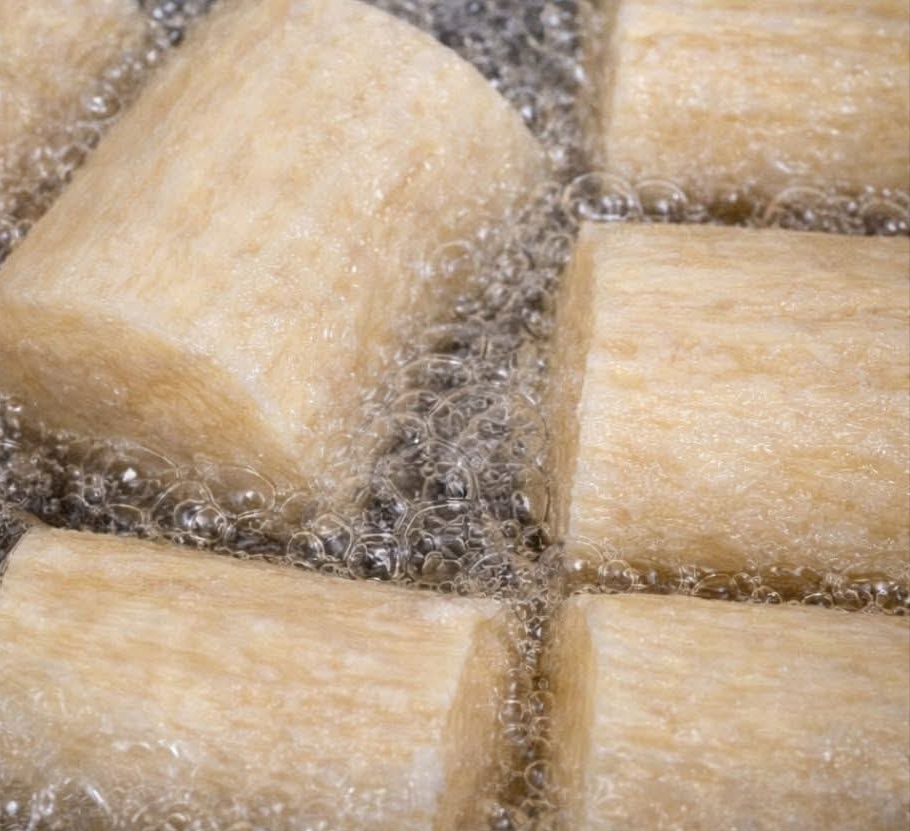
cassava, also known as yuca, manioc, or cassava root, is a staple food in many parts of the world—especially in Latin America, Africa, and Asia. Loved for its versatility and rich carbohydrate content, it plays a key role in traditional cuisines and daily meals.However, what many people don’t realize is that cassava can be dangerous if not properly prepared.Behind its mild flavor lies a hidden risk: in its raw form, cassava contains natural compounds that can be toxic to the human body.In this article, you’ll discover the real dangers of cassava, how to prepare it safely, and how to enjoy its benefits without putting your health at risk. 🌿 Why Cassava Is So PopularCassava is widely consumed because it is:Rich in carbohydrates (great energy source)Naturally gluten-freeAffordable and accessibleExtremely versatile in cooking (boiled, fried, baked, or mashed)Despite these benefits, safety must always come first.☠️ The Hidden Danger: Natural Toxins in Raw CassavaRaw cassava contains cyanogenic glycosides, natural compounds that can release cyanide when consumed.If cassava is eaten raw or improperly prepared, it may lead to:Nausea and vomitingDizziness and headachesDifficulty breathingIn severe cases, poisoning or even death👉 This is why proper preparation is absolutely essential.🔥 How to Prepare Cassava SafelyTo eliminate toxic compounds, follow these steps carefully:🧼 1. Peel ThoroughlyRemove the thick outer skin completely, as it contains higher concentrations of toxins.💧 2. Soak (Optional but Recommended)Soaking cassava in water for several hours can help reduce harmful compounds.🍲 3. Cook CompletelyAlways cook cassava thoroughly. Safe methods include:BoilingSteamingFrying after boiling⚠️ Never eat cassava raw or undercooked.💨 4. Avoid Cooking in Closed ContainersWhen boiling, allow proper ventilation so harmful gases can escape.⚠️ Bitter vs. Sweet CassavaThere are two main types of cassava:Sweet cassava: Lower toxin levels, commonly sold in marketsBitter cassava: Higher toxin content, requires more extensive processing👉 Always make sure you know which type you are using.💪 Nutritional Benefits (When Prepared Correctly)When safely cooked, cassava offers:A strong source of energyDietary fiber for digestionVitamin C and essential mineralsIt can be part of a healthy diet when consumed responsibly.🧠 Key Safety Tips to RememberNever eat raw cassavaAlways peel and cook thoroughlyDo not reuse soaking or boiling waterBuy cassava from trusted sourcesSupervise preparation carefully, especially for children🎥 Learn MoreIn many educational videos, experts explain how improper preparation of cassava can lead to serious health risks—and how simple techniques can make it completely safe.🌟 Final ThoughtsCassava is a valuable and nutritious food enjoyed by millions around the world—but it must be handled with care.Understanding the risks and following proper preparation methods ensures you can enjoy cassava safely, without compromising your health.
⚠️ The Danger of Eating Cassava: What You Must Know Before Consuming It