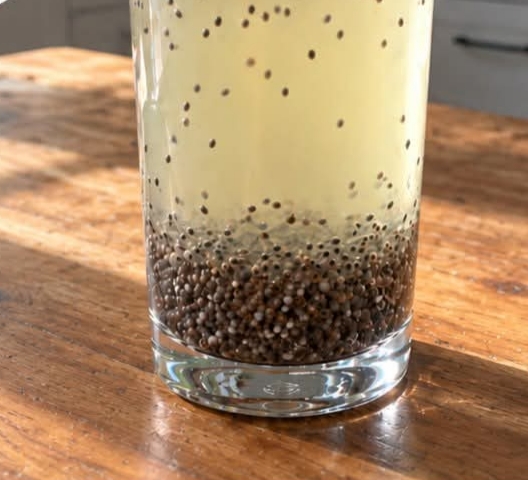
When blood sugar runs high, even a normal day can feel heavy, frustrating, and strangely exhausting. You may feel thirsty all the time, get sleepy after meals, and notice that your energy crashes before the afternoon is over. The worst part is how fast it can happen: one meal feels fine, then suddenly your body feels off, your mind gets foggy, and your hunger comes roaring back. But there is a simple kitchen habit that may help slow that roller coaster down, and the surprising part is how ordinary it looks until you understand what it is doing inside your body. Stay with me, because the most important detail appears near the end.Why Blood Sugar Spikes Can Feel So DrainingWhen glucose rises too quickly after a meal, your body has to work harder to bring it back down. That can leave you feeling tired, thirsty, and mentally scattered. For many people, the pattern repeats again and again: eat, spike, crash, crave, repeat.Sugar swings can also affect how often you feel hungry. If your meal is digested very quickly, you may feel full for a short time and then suddenly want to eat again. That is one reason many people feel like they are “always chasing energy.”The good news is that the speed of digestion matters just as much as the food itself.The “Slimy” Part Is Actually the SecretThe texture that looks strange at first is exactly what makes this idea interesting. Certain plant fibers can form a gel when mixed with water. That gel slows how quickly food moves through the digestive tract, which may help blunt the sharp rise in blood sugar after a meal.This is where ingredients like chia seeds and okra come in. Both contain soluble fiber, a type of fiber that absorbs water and becomes thick or slippery. Research suggests that viscous soluble fiber can slow carbohydrate absorption and reduce the size of post-meal glucose spikes.In simple terms, it does not “block” sugar completely. Instead, it helps your body absorb it more gradually. That slower pace can make a big difference in how you feel after eating.What Research Suggests About Gel-Forming FiberStudies on soluble fiber and plant mucilage have shown promising effects on post-meal glucose response. Reviews of okra-based interventions suggest it may help support healthier fasting and after-meal blood sugar levels in some people. Chia seeds have also been studied for their gel-forming ability, especially when eaten with carbohydrate-containing meals.Here is the important part: research supports the idea that viscous fiber may help slow glucose absorption, but results vary from person to person. Factors like portion size, meal composition, medication use, sleep, and activity all matter.Said another way, this is not a magic trick. It is a practical food strategy that may support steadier numbers when used consistently.Why This Works Better Than Water AloneWater is essential, but plain water does not create the same gel-like effect in the gut. The difference comes from the fiber itself. Once hydrated, these fibers can change the texture of the meal inside the digestive tract, which may slow the movement of glucose into the bloodstream.That slower movement may help reduce the sudden “spike and crash” feeling that some people notice after carb-heavy meals. It may also help you feel satisfied for longer, which can make it easier to avoid extra snacking later.Here’s the simple comparison:Fast-digesting meal: quick rise in blood sugar, bigger insulin demand, later crash.Meal with viscous fiber: slower absorption, smaller spike, steadier energy.Balanced meal with fiber: best chance of smoother after-meal response.The Kitchen Table Method People Are Talking AboutThe version that gets attention usually combines water, chia seeds, and sliced okra. The mixture thickens as it sits, creating that slippery texture people describe. The appeal is simple: it uses everyday ingredients, takes only a few minutes, and can be added to a meal routine without much effort.But that is not the full picture. Timing matters. This kind of fiber works best when it is taken with or shortly before a meal that contains carbohydrates. If the rest of the meal is loaded with refined carbs and added sugar, the benefit may be smaller.In other words, the glass helps most when the plate is already working with it, not against it.How to Make It Step by StepIf you want to try this food-based approach, keep it simple and start with a small amount. Here is a practical version many people use:1. Slice 3 to 4 fresh okra pods into thin pieces and place them in a glass.2. Add 1 tablespoon of chia seeds.3. Pour in 8 to 10 ounces of water.4. Stir once, then let it sit for 10 to 15 minutes.5. Stir again and drink it with or shortly before a meal.6. Pair the meal with protein, non-starchy vegetables, and a moderate amount of whole-food carbohydrates.This is a gentle, food-first approach. It is not meant to replace medical care or prescribed treatment.What You May Notice After Adding It ConsistentlySome people report that their after-meal energy feels more even. Others notice less intense hunger between meals. Some may also see smaller glucose spikes when they check their readings after eating.Still, the response is not the same for everyone. Your starting blood sugar, the rest of your diet, your activity level, and whether you take medication can all change the outcome.That is why consistency matters more than expecting one dramatic result. A single glass may help, but repeated habits usually matter more than one isolated choice.Best Habits to Pair With This DrinkIf you want the best chance of seeing a helpful result, combine the drink with a few simple habits. These are small, but they add up quickly.Choose meals with protein, fiber, and healthy fats.Reduce sugary drinks and refined snacks when possible.Take a short walk after eating.Drink enough water throughout the day.Keep sleep as regular as you can.Track your readings if you already monitor blood sugar.These steps do not have to be perfect. Even small improvements can support steadier blood sugar patterns over time.A Simple Table to Understand the DifferenceHere is an easy way to think about what changes when you add gel-forming fiber to a meal:Meal Type What Often HappensRefined carbs alone Faster digestion, bigger spike, quicker hunger returnCarbs with viscous fiber Slower absorption, smaller rise, steadier energyBalanced meal plus movement Better support for post-meal stabilityThis is why many nutrition experts focus on the whole pattern of eating, not just one ingredient. The texture of the meal can matter more than people realize.Actionable Tips You Can Use TodayIf you want to try this safely and sensibly, start here:Step 1: Try the mixture with one meal, not every meal, so you can see how your body responds.Step 2: Choose a meal that already includes protein, such as eggs, yogurt, tofu, fish, chicken, or beans.Step 3: Keep the carbohydrate portion moderate instead of very large.Step 4: Check your blood sugar if you already monitor it, especially before and 1 to 2 hours after the meal.Step 5: Pay attention to how you feel, not just the number. Energy, hunger, and thirst matter too.Step 6: If you take blood sugar medication, ask your healthcare provider before making this a regular habit.This step-by-step approach keeps things practical and helps you avoid guessing.Who Should Be CarefulEven though this is a food-based strategy, it is not ideal for everyone. People with digestive conditions that limit fiber tolerance may need to start very slowly. Others who take glucose-lowering medication should be extra careful, since adding more fiber to meals can sometimes change how their readings respond.If you have diabetes, prediabetes, or any condition that affects digestion, it is wise to talk with a qualified healthcare professional before making major diet changes.That is especially important if your blood sugar is already running low at times or if you have a history of stomach discomfort with high-fiber foods.Why This Idea Keeps Getting AttentionThe reason this simple drink gets so much interest is that it fits into real life. It does not require expensive supplements or complicated recipes. It uses familiar ingredients and focuses on a basic principle: slowing the speed of digestion may help support steadier blood sugar.That principle is backed by research on soluble fiber, plant mucilage, and post-meal glucose response. While no single drink works for everyone, the science behind viscous fiber is strong enough to make it worth paying attention to.And that is the real takeaway: sometimes the smallest food changes create the biggest difference in how your day feels.ConclusionA slimy, gel-forming drink made with ingredients like chia seeds and okra may help slow the rise of blood sugar after meals by slowing digestion. That can mean fewer sharp spikes, steadier energy, and less of that frustrating crash-and-crave cycle many people know too well. It is not a cure, and it is not a replacement for medical treatment, but it can be a useful part of a smarter daily routine. The best results usually come when you combine it with balanced meals, movement, hydration, and good sleep.FAQCan this drink lower blood sugar right away?It may help reduce the size of a post-meal rise for some people, but results vary. Many people notice changes only when they use it consistently with balanced meals.Should I drink it before or after eating?Most people use it shortly before or with a meal, especially one that contains carbohydrates. That timing may help slow absorption during digestion.Can I use this instead of diabetes medication?No. This is a food-based support strategy, not a replacement for prescribed treatment. If you have diabetes or prediabetes, always speak with your healthcare provider before changing your routine.Disclaimer: This article is for educational purposes only and is not a substitute for professional medical advice, diagnosis, or treatment. Always consult a qualified healthcare provider before making changes to your diet, supplements, or blood sugar management plan.
This Slimy Glass on the Table Slashed Blood Sugar Levels From 210 to 95 Fast