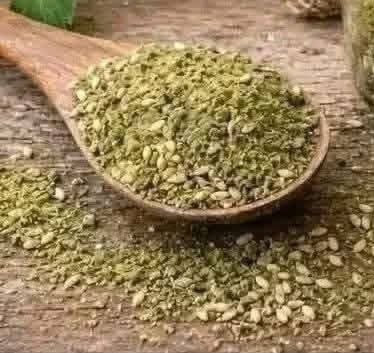
As we get older, changes in collagen production can make the skin thinner, drier, and less firm. Fine lines and wrinkles gradually become more visible, especially around the eyes, forehead, mouth, and neck. This is a natural part of aging, but certain daily habits can help maintain healthier-looking skin and support normal collagen production.You may see viral claims that taking one tablespoon of a particular powdered ingredient every day for three months will make wrinkles disappear and make it impossible for anyone to guess your age. Although some foods and plant ingredients contain nutrients and antioxidants that support normal skin function, no single food can completely reverse aging or guarantee wrinkle-free skin.Collagen is an important structural protein found throughout the body. It helps provide strength and structure to the skin, bones, cartilage, and connective tissues. With age, the body generally produces less collagen, while environmental factors such as ultraviolet radiation can accelerate collagen breakdown.One of the simplest ways to protect your skin is to limit unnecessary sun exposure. UV radiation is a major contributor to premature skin aging. Using a broad-spectrum sunscreen with an appropriate SPF, wearing protective clothing, and seeking shade during intense sunlight can help protect the skin from further damage.Nutrition also matters. Instead of relying on a single “collagen-boosting” powder, build meals around protein-rich foods, vegetables, fruits, legumes, nuts, seeds, and whole grains. Vitamin C is particularly important because the body needs it to produce collagen. Foods such as citrus fruits, strawberries, kiwi, peppers, tomatoes, and broccoli can provide vitamin C.Adequate protein is also important because collagen itself is a protein. Eggs, fish, poultry, dairy products, beans, lentils, and other protein-rich foods can contribute to meeting daily protein requirements.Staying hydrated can help maintain normal skin function as well. Water will not erase wrinkles, but adequate hydration supports the body’s normal physiological processes and can help prevent the skin from becoming excessively dry.Sleep is another overlooked part of skin health. Consistently getting enough quality sleep gives the body time to carry out normal repair and recovery processes. Establishing a regular sleep schedule and reducing excessive screen exposure before bedtime can make it easier to get restorative sleep.Smoking can accelerate skin aging by damaging collagen and reducing healthy blood flow to the skin. Avoiding tobacco is therefore one of the most effective choices for protecting both your appearance and your overall health.A simple skincare routine can also make a noticeable difference in how the skin looks. Gentle cleansing, regular moisturizing, and daily sunscreen are useful foundations. Products containing ingredients such as retinoids have also been studied for improving the appearance of fine lines, but they should be introduced carefully because they can cause irritation in some people.Collagen supplements are another popular option. Some studies suggest that certain oral collagen peptides may modestly improve measures such as skin hydration and elasticity, but results vary and they should not be expected to produce dramatic overnight changes. Choosing a reputable product and discussing supplements with a healthcare professional is especially important if you take medications or have underlying health conditions.If your goal is firmer, healthier-looking skin over the next three months, consistency matters much more than a miracle recipe. Protect your skin from the sun, eat a nutritious diet, consume adequate protein, stay hydrated, sleep well, avoid smoking, and maintain a simple skincare routine.Wrinkles are a normal part of getting older, and no food or powder can make someone permanently look decades younger. But healthy habits can help preserve skin quality and allow you to age with stronger, healthier-looking skin.
Wrinkles, Collagen, and Skin Aging: What Really Helps Your Skin Look Younger