
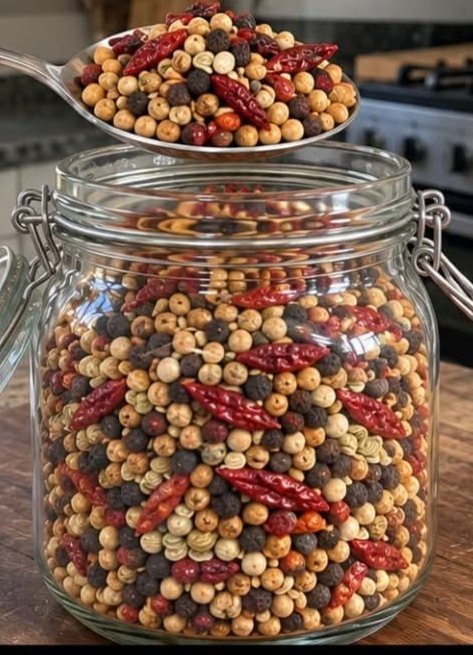
Feeling Drained, Foggy, or “Off”? How Everyday Spices Can Help
Feeling drained, foggy, or “off” for no obvious reason can be frustrating, especially when you’re attempting to eat well and do the right things for your health. The reality is that everyday stress, poor sleep, and a modern diet can quietly accumulate, leaving your body working harder than it should. This can make even simple routines feel heavier, leaving you to ponder whether small food choices still matter. The encouraging part is that some of the most familiar spices in your kitchen may offer meaningful support for your body’s natural defense systems—and one of them is often overlooked until the very end.
Why Everyday Spices Get So Much Attention
Spices are more than flavor boosters. Many contain natural plant compounds that researchers study for their antioxidant and anti-inflammatory properties. In plain English, that means they may help your body handle the everyday wear and tear more efficiently. Here’s the important part: spices are not a cure or a replacement for medical care, but they can be a smart part of a balanced eating pattern.
According to research reviews published in nutrition and food science journals, compounds found in herbs and spices may help protect cells from oxidative stress, a normal process that can become more intense when lifestyle habits are out of balance. That’s why these pantry staples continue to attract scientific interest.
1. Turmeric: A Golden Spice with a Long History
Turmeric is one of the most studied spices in the world. Its best-known compound is curcumin, which has been examined for its potential to support a healthy inflammatory response. But that’s not the whole story; turmeric is also valued because it fits easily into everyday meals, from soups to rice dishes to smoothies. Small, consistent use is often more realistic than trying to take a large amount all at once.
Simple Ways to Use Turmeric
– Soups and Stews: Add a teaspoon to enhance flavor and health benefits.
– Roasted Vegetables: Sprinkle it over any vegetable for a nutrient boost.
– Warm Milk or Plant-Based Drink: Create a soothing beverage before bedtime.
– Rice, Lentils, or Quinoa: Stir into your grains for added color and health.
For many people, turmeric works best when paired with black pepper and a source of fat, such as olive oil or yogurt. Research suggests this may help the body absorb curcumin more effectively.
2. Ginger: A Warming Spice That Feels Gentle and Grounding
Ginger is another kitchen staple that garners significant scientific attention. It contains naturally occurring compounds called gingerols and shogaols, which are studied for their antioxidant activity and their role in digestive comfort. This is where ginger stands out; it is easy to use, easy to digest for many people, and simple to add to both sweet and savory foods. A cup of ginger tea after a meal can feel soothing, especially on busy or stressful days.
Best Everyday Uses of Ginger
– Steep Fresh Slices for Tea: Perfect for calming your digestive system.
– Grate into Stir-Fries: Adds flavor and health benefits to quick meals.
– Add to Oatmeal or Smoothies: Offers a warming touch to your breakfast.
– Mix into Salad Dressings or Marinades: Enhances flavor in your salads.
Some studies suggest that ginger may help support digestion and contribute to a healthy inflammatory response, making it a useful spice to keep on hand year-round.
3. Garlic: Small Clove, Big Reputation
Garlic has been used in traditional cooking for centuries, and modern research continues to explore why. When garlic is crushed or chopped, it forms allicin, a compound that has drawn interest for its possible antioxidant and cardiovascular-supportive properties. And here’s a practical tip: letting chopped garlic sit for a few minutes before cooking may help support the formation of these beneficial compounds.
How to Use Garlic Daily
– Soups and Sauces: Versatile addition that enhances almost any dish.
– Roasted Vegetables: Toss with vegetables for added depth of flavor.
– Egg Dishes: Incorporate into omelets or scrambled eggs.
– Beans, Lentils, and Grain Bowls: Adds flavor and healthiness to meals.
Some research suggests garlic may support healthy circulation and overall wellness when included regularly as part of a balanced diet.
4. Cinnamon: Sweet, Familiar, and Surprisingly Useful
Cinnamon is often associated with comfort foods, but it also contains plant compounds that researchers study for antioxidant activity. It’s especially popular because it can make healthier foods taste more satisfying, which may help people stick with better habits over time. When healthy food tastes good, it becomes easier to repeat the habit.
Easy Ways to Add Cinnamon
– Oatmeal: Sprinkle a dash to amp up flavor and nutrition.
– Yogurt: Mix in for a guilt-free dessert or snack.
– Apples or Pears: A classic pairing that enhances the natural sweetness.
– Coffee or Tea: Stir in for a warm and spicy twist.
If you use cinnamon often, many experts prefer Ceylon cinnamon for routine use because it typically contains less coumarin than cassia cinnamon, a small detail that can matter if cinnamon is part of your daily habit.
5. Oregano: The Quiet Powerhouse Hiding in Plain Sight
Oregano may not get as much attention as turmeric or ginger, but it deserves a place on this list. It contains compounds such as carvacrol and rosmarinic acid, which have been studied for antioxidant support. Oregano is easy to overlook due to its commonality; however, that everyday familiarity is what makes it useful. If you already cook pasta, vegetables, eggs, or chicken, adding oregano takes almost no extra effort.
Best Uses for Oregano
– Tomato Sauces: An ideal complement that enhances flavor.
– Roasted Vegetables: Mix in for health benefits without changing recipes.
– Salad Dressings: Elevates any salad with minimal effort.
– Soups and Chili: A seasoning that elevates the overall taste.
Research continues to show that many herbs and spices contain concentrated plant compounds with antioxidant properties, making oregano one of the easiest ways to gain benefits without changing your entire diet.
Quick Comparison of Spices
| Spice | Best-Known Compounds | Why People Use It |
|————|——————————-|————————————————|
| Turmeric | Curcumin | Supports a healthy inflammatory response |
| Ginger | Gingerols, Shogaols | May support digestion and comfort |
| Garlic | Allicin | Often used for heart and wellness support |
| Cinnamon | Cinnamaldehyde | Adds flavor and offers antioxidant support |
| Oregano | Carvacrol, Rosmarinic Acid | Strong antioxidant profile in everyday cooking |
How to Use These Spices in Real Life
The best health routine is the one you can actually maintain. Instead of trying to use all five spices perfectly, start with small, repeatable habits. Think “daily pattern,” not “perfect plan.”
A Simple 5-Step Routine You Can Start Today
1. Add one spice to breakfast: Cinnamon in oatmeal, yogurt, or coffee is an easy start.
2. Use garlic or oregano at lunch or dinner: These are simple additions to sauces, vegetables, or proteins.
3. Make ginger tea after meals: Fresh ginger or ginger tea bags work well.
4. Include turmeric in a meal a few times a week: Begin small so the flavor stays pleasant.
5. Rotate spices instead of relying on just one: Variety gives your meals more flavor and may help you stick with the habit longer.
What the Research Suggests
Many studies on spices look into their antioxidant activity, plant compounds, and how they may fit into a balanced dietary pattern. Reviews in nutrition journals frequently point to the same idea: whole foods and herbs work best as part of an overall healthy lifestyle, not as stand-alone solutions. This means that sleep, movement, hydration, and stress management remain vital. Spices can serve as a helpful layer on top of these basics, adding flavor, variety, and a small but meaningful nutritional boost.
Important Safety Notes
Most spices are safe for most people in normal food amounts. However, some situations deserve caution. If you take blood-thinning medication, have gallbladder issues, or are preparing for surgery, consult a healthcare professional before increasing certain spices in concentrated amounts. Remember: more is not always better. Large amounts of any spice can lead to stomach upset or interact with medications. Food-level use is generally the simplest and safest approach.
Final Take
You do not need a complicated wellness routine to support your body. Often, the most useful changes are the smallest ones you can repeat daily. Turmeric, ginger, garlic, cinnamon, and oregano are all easy to find, easy to use, and supported by growing scientific interest. Start with one or two spices, build a habit, and allow your kitchen to do a little more of the work.
FAQ
Can spices really help support my health?
Yes, when used regularly as part of a balanced diet. Many spices contain plant compounds with antioxidant properties, and some may support a healthy inflammatory response. They are helpful additions, not replacements for medical treatment.
What is the easiest spice to start with?
Cinnamon is often the easiest because it blends well with breakfast foods and drinks. Garlic and oregano are also simple options since they fit naturally into everyday cooking.