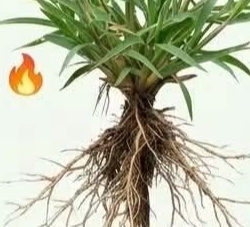
Learn about chicken foot plant (Eleusine indica), its traditional herbal uses, how to prepare a tea, and important safety considerations.When you hear the name chicken foot plant, you might picture an ordinary weed growing in gardens, fields, or along roadsides. But this hardy grass, scientifically known as Eleusine indica, has a long history of traditional use in different regions.Also known as Indian goosegrass, Eleusine indica has been used traditionally in herbal preparations associated with urinary discomfort and fever. The plant contains naturally occurring compounds, including flavonoids and phenolic compounds, that have attracted scientific interest.However, traditional use and laboratory research are not the same as proven medical treatment. Human evidence remains limited, so chicken foot should be viewed as a traditional herbal preparation rather than a replacement for medical care.What Is Chicken Foot Plant?Chicken foot plant (Eleusine indica) is a grass species commonly found in tropical and subtropical regions.It is often considered a common weed because it grows readily in disturbed areas, lawns, fields, paths, and other environments.The plant has distinctive flowering stems that can spread outward in a shape that resembles a chicken’s foot, which is one reason for its common name.In traditional herbal practices, different parts of the plant have been prepared in various ways, including as teas or decoctions.Traditional Uses of Eleusine indicaIn some traditional practices, Eleusine indica has been used in preparations associated with:Urinary discomfortFeverGeneral herbal wellnessTraditional fluid-balance practicesThe plant also contains naturally occurring compounds such as flavonoids and phenolic compounds. These substances have been investigated in laboratory research because of their biological activity.However, laboratory findings do not establish that the plant produces the same effects in humans.More clinical research is needed to understand the potential benefits, appropriate dosage, and safety of Eleusine indica.How to Prepare Chicken Foot Plant TeaA traditional preparation can be made using dried Eleusine indica.Ingredients5 grams of dried chicken foot plant500 ml of waterPreparationClean the dried plant carefully.Make sure the plant material is free from dirt and unwanted particles.Add the plant to water.Place approximately 5 grams of dried Eleusine indica into a pot with 500 ml of water.Boil for 10 minutes.Bring the mixture to a gentle boil and allow it to simmer for approximately 10 minutes.Let it rest.Remove from the heat and allow the preparation to rest for another 5 minutes.Strain before drinking.Strain the liquid carefully and allow it to cool to a comfortable temperature.How Much Can You Drink?The traditional preparation described above can be consumed as one 250 ml glass per day, occasionally.It is not recommended to prolong consumption without professional guidance.There is no universally established therapeutic dosage for Eleusine indica, partly because human clinical evidence is limited.If you are considering this plant because of a specific health concern, it is better to discuss its use with a qualified healthcare professional rather than relying on a homemade herbal preparation alone.What Does Research Say About Eleusine indica?Scientists have investigated Eleusine indica because it contains various naturally occurring plant compounds.Among these are flavonoids and phenolic compounds, which have been studied in laboratory settings.Research involving plant extracts can help scientists understand which compounds may have biological activity. However, laboratory findings cannot automatically be interpreted as proof that drinking the plant as a tea will treat a particular health condition.Human studies are still limited.For this reason, traditional use can be described, but stronger clinical evidence is needed before making specific medical claims about the plant.Chicken Foot Plant and Urinary HealthTraditional herbal practices in some regions have used Eleusine indica in preparations related to urinary discomfort.This traditional history is interesting, but it should not be interpreted as proof that chicken foot tea can treat a urinary tract infection.Urinary symptoms can have different causes and may sometimes require medical treatment.If you experience burning during urination, frequent urination, fever, blood in the urine, severe back or side pain, or difficulty urinating, seek medical attention.Can Chicken Foot Plant Treat a Urinary Infection?There is currently insufficient clinical evidence to consider Eleusine indica a proven treatment for urinary infections.An herbal tea may be part of a traditional wellness practice, but it should not replace appropriate medical evaluation or treatment.Untreated urinary infections can sometimes become more serious, particularly when symptoms such as fever or significant back or side pain are present.Can It Eliminate Kidney Stones?Chicken foot plant is sometimes associated with claims about kidney stones in traditional or online herbal content.However, there is not enough evidence to establish that Eleusine indica can dissolve, eliminate, or reliably prevent kidney stones.Kidney stones can vary considerably in size, location, and composition. Medical evaluation may be necessary to determine the appropriate approach.Severe side or back pain, blood in the urine, fever, vomiting, or difficulty urinating should be evaluated by a healthcare professional.Can It Control Blood Pressure?Another claim sometimes associated with herbal preparations is that Eleusine indica may help control blood pressure.At present, there is insufficient human evidence to recommend chicken foot tea as a treatment for hypertension.People with high blood pressure should continue following their healthcare professional’s treatment plan and should not replace prescribed medication with herbal preparations.Important Safety ConsiderationsNatural herbs can contain biologically active compounds, so they should not automatically be considered risk-free.The safety of Eleusine indica can depend on factors such as the amount consumed, preparation method, individual health conditions, and possible interactions with medications.Before using this plant regularly for a health purpose, consider speaking with a healthcare professional, particularly if you:Take prescription medicationHave kidney problemsHave heart or blood pressure conditionsAre pregnant or breastfeedingHave persistent urinary symptomsHave unexplained feverHave a history of kidney stonesAvoid collecting plants from areas that may have been exposed to pesticides, herbicides, heavy traffic, or other contaminants.Traditional Herbal Use vs. Medical TreatmentOne of the most important things to remember about traditional herbal remedies is that traditional use does not automatically equal clinical proof.Eleusine indica has a history of traditional use, and its plant compounds have been studied in laboratory research. These facts make it an interesting subject for further research.However, limited human evidence means that its effects, safety, and appropriate therapeutic use are not yet fully established.A traditional tea can therefore be discussed as part of herbal knowledge without presenting it as a cure for a disease.Frequently Asked QuestionsWhat is chicken foot plant?Chicken foot plant is a common name for Eleusine indica, a grass also known as Indian goosegrass. It grows widely in tropical and subtropical regions.What is Eleusine indica traditionally used for?In different traditional practices, it has been used in preparations associated with urinary discomfort and fever.How do you make chicken foot plant tea?A traditional preparation uses 5 grams of dried plant material and 500 ml of water. Boil for approximately 10 minutes, allow it to rest for another 5 minutes, then strain.How much chicken foot tea can you drink?The traditional preparation described here uses one 250 ml glass per day, occasionally. Prolonged use should not be undertaken without professional guidance.Can Eleusine indica treat urinary infections?There is not enough human clinical evidence to establish it as a treatment for urinary infections. Medical evaluation may be necessary when infection is suspected.Can chicken foot plant remove kidney stones?There is insufficient evidence to show that Eleusine indica can dissolve or eliminate kidney stones.Can it lower blood pressure?Although the plant has been investigated for various biological effects, there is not enough clinical evidence to recommend it as a treatment for hypertension.Final ThoughtsChicken foot plant, or Eleusine indica, is a common grass with a history of traditional herbal use in different regions.A traditional preparation uses 5 grams of dried plant material in 500 ml of water, boiled for 10 minutes, rested for another 5 minutes, and strained. One 250 ml glass may be consumed occasionally according to the traditional preparation described here.The plant contains naturally occurring compounds such as flavonoids and phenolic compounds that have been investigated in laboratory research. However, evidence from human studies remains limited.For this reason, Eleusine indica is best understood as a traditional herbal preparation rather than a proven treatment for urinary infections, kidney stones, hypertension, or other medical conditions.If you have fever, severe back or side pain, blood in your urine, or difficulty urinating, seek medical attention promptly.This article is for educational purposes only and does not replace professional medical advice, diagnosis, or treatment.
Chicken Foot Plant (Eleusine indica): Traditional Uses, Tea Preparation, and Safety