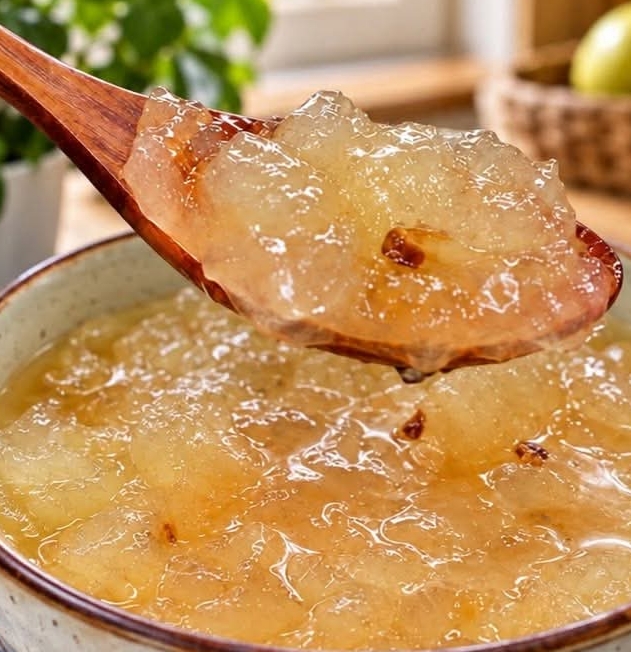
we get older, it is common for the knees to feel a little stiffer after sitting, climbing stairs, gardening, or getting up from a chair. These changes do not happen overnight, and no single food can rebuild worn cartilage or make joint discomfort disappear instantly. However, nutrition still matters. Bone broth, especially when prepared from collagen-rich parts such as chicken frames, feet, wings, beef joints, or oxtail, can provide gelatin, protein, fluids, and amino acids that fit naturally into a balanced diet.Rather than treating bone broth as a “miracle remedy,” it makes more sense to view it as a traditional, nourishing food that may complement regular movement, adequate protein intake, muscle-strengthening exercise, and appropriate medical care.Why Do Knees Often Feel Stiffer With Age?Cartilage is the smooth, resilient tissue covering the ends of bones inside a joint. It helps the knee move with less friction and is composed largely of water, collagen, and specialized compounds called glycosaminoglycans.Unlike many other tissues, cartilage does not have a rich direct blood supply. Regular joint movement helps with the exchange of fluids and nutrients, while the body also depends on nutrients from food to maintain muscles and connective tissues.Age-related changes are only one part of the picture. Knee comfort can also be influenced by previous injuries, activity level, body weight, muscle strength, and underlying joint conditions.This is why a complete approach to knee health usually makes more sense than relying on one ingredient.What Makes Bone Broth Different?When collagen-rich connective tissues are gently cooked in water for a long period, some of their collagen breaks down into gelatin.The resulting broth may also contain amino acids associated with collagen, including:GlycineProlineHydroxyprolineThese amino acids are used by the body in normal protein and connective-tissue processes.That does not mean drinking a cup of broth sends collagen directly into the knee or regrows damaged cartilage. Digestion breaks dietary proteins into smaller components that the body uses according to its needs.Bone broth is therefore best considered a food rather than a treatment.What Does Research on Collagen Tell Us?Research on collagen and joints is interesting, but an important distinction is often overlooked.Some clinical studies of standardized hydrolyzed collagen peptides have reported modest improvements in joint discomfort or physical function in certain groups of people.Homemade bone broth is different.The amount and composition of protein, gelatin, and amino acids can vary substantially depending on the bones used, cooking time, water volume, and preparation method.So a bowl of homemade broth should not be presented as equivalent to the standardized collagen products studied in clinical trials.The Simple “Jiggle Test”One practical way to tell whether homemade broth contains a noticeable amount of gelatin is to refrigerate it completely.Once cold, gently shake the container.A gelatin-rich broth may become soft and jiggly, almost like loose jelly. If it remains completely watery, you may simply have used more water, fewer connective-tissue-rich ingredients, or a shorter cooking time.The jiggle test is useful in the kitchen, but it is not a scientific measurement of collagen content.Choosing Ingredients for Gelatin-Rich Bone BrothFor chicken broth, consider using a combination of backs, necks, wing tips, and—where commonly eaten and safely available—chicken feet.For beef broth, joint bones and oxtail generally contain more connective tissue than marrow bones alone.A practical batch might include approximately:Chicken: about 1 kg (2.2 lb) of backs, necks, and wing tips, optionally combined with 4–6 chicken feet.Beef: about 1.5 kg (3.3 lb) of joint-rich bones or oxtail. A marrow bone can be included for flavor.The exact recipe does not need to be perfect. Bone broth is traditional cooking, not a medical formula.A Simple Homemade Bone Broth RecipePlace your chosen bones in a large pot and add enough cold water to cover them by roughly 5 cm or 2 inches.Add:1 onion2 carrots2 celery stalks4 crushed garlic cloves1 bay leafA few black peppercornsA small piece of ginger, if desiredAbout 2 tablespoons of apple cider or white vinegarYou can allow the ingredients to sit in the cold water for around 20–30 minutes before heating.Bring the pot close to a boil, then immediately reduce the heat to a very gentle simmer.Foam may appear during the first half hour. Skim it from the surface if desired.Chicken broth can be gently simmered for roughly 12–18 hours, depending on the ingredients and cooking method. Larger beef joint bones may be cooked for approximately 18–24 hours.Long cooking times require appropriate kitchen supervision and food-safety practices. A slow cooker can be convenient when used according to its manufacturer’s instructions.Add fresh herbs toward the end if desired.Once finished, strain the broth carefully and discard the cooked bones. Never serve bone fragments.Cool and Store It SafelyFood safety is especially important for older adults.Cool broth promptly in shallow or appropriately sized containers and refrigerate it rather than leaving a large warm pot at room temperature for hours.Once chilled, fat generally rises and solidifies on top. You can remove some of it if you prefer a lighter broth.The broth underneath may become noticeably gelatinous.How Much Bone Broth Should You Drink?There is no scientifically established amount of homemade bone broth that treats knee problems.Instead of pursuing a large daily dose, use it as ordinary food.A small cup can be enjoyed warm, or the broth can become the base for soups, stews, beans, vegetables, and other meals.Consistency in an overall nutritious eating pattern is more meaningful than drinking an unusually large amount at once.Pair Bone Broth With Enough ProteinBone broth should not become your only protein source.Older adults can benefit from including varied protein-rich foods throughout the day, depending on individual health needs.Examples include eggs, fish, poultry, dairy foods, fortified alternatives, beans, lentils, tofu, and other protein-rich foods.Vitamin C-containing foods also belong in a balanced eating pattern because vitamin C participates in the body’s normal collagen synthesis.Good options include citrus fruits, kiwi, bell peppers, berries, broccoli, and leafy greens.Bone broth should not automatically be considered a major source of calcium either. Its mineral content can vary widely.Movement Matters Just as Much as FoodA nutritious diet can support overall health, but muscles play an important role in supporting the knee.Long periods of sitting can make stiffness more noticeable for some people. If appropriate for your health and mobility, try breaking up prolonged sitting with short periods of gentle movement.Walking around the room, moving the ankles and knees, or slowly standing from a sturdy chair can be simple options.Strengthening the thigh and hip muscles may also support everyday function.A physiotherapist can recommend exercises appropriate for someone with significant arthritis, previous injury, balance difficulties, or persistent pain.A Gentle 14-Day RoutineInstead of expecting dramatic changes, use two weeks to establish a few sustainable habits.During the first couple of days, prepare a batch of broth, refrigerate it, and see how well it gels.Over the following days, use moderate portions as part of regular meals while paying attention to overall protein intake.If walking is comfortable and medically appropriate, consider a short walk after a meal.During the second week, appropriate strengthening movements can gradually be incorporated. One example is slowly sitting down and standing up from a stable chair for several controlled repetitions.The goal is not to “fix” cartilage in 14 days. It is to build a routine that combines nutrition, movement, and muscle support.Track Function Instead of Looking for Overnight ResultsOnce a week, consider recording a few practical observations:How long does morning stiffness last?How comfortable do stairs feel on a 0–10 scale?How far can you comfortably walk before needing a rest?These observations can make gradual changes easier to notice and may also provide useful information to discuss with a healthcare professional.Common Bone Broth Myths“One cup rebuilds knee cartilage.”There is no good evidence that a serving of bone broth can regenerate worn adult cartilage.“If broth is dark, it must contain lots of collagen.”Color alone does not tell you its collagen or protein content.“Bone broth is the same as collagen peptides used in studies.”They are not equivalent. Research products typically contain standardized quantities, while homemade broth varies substantially.“A painful knee always needs complete rest.”Not necessarily. For many chronic knee problems, appropriately selected movement and strengthening are important. Acute injuries and certain medical conditions are different and should be professionally assessed.Who Should Be More Careful?People with kidney disease who have been advised to restrict protein or certain nutrients should discuss frequent or large servings of broth with their clinician or registered dietitian.People with gout may also want to pay attention to how meat-rich broths fit into their individual dietary plan.If sodium is a concern, keep added salt modest. Commercial broths can contain substantial sodium, so checking the nutrition label is worthwhile.Anyone who finds long-cooked or fermented foods troublesome should choose foods according to their individual tolerance rather than assuming bone broth is necessary.When Knee Pain Needs Medical AttentionFood is not a substitute for assessment when something unusual is happening.Seek medical advice if knee pain persists or significantly limits everyday activities. More prompt evaluation is appropriate for a knee that becomes notably red, hot, suddenly swollen, locked, or painful following a significant fall or injury.Those symptoms deserve evaluation rather than another home recipe.Final Thoughts: Think “Support,” Not “Cure”Bone broth can be a warm, convenient way to add gelatin, fluids, and some amino acids to meals. For people who enjoy it, it can certainly have a place in a healthy diet after 70.Its role should remain realistic.It cannot be expected to rebuild damaged cartilage, replace prescribed medication, or substitute for physiotherapy. Knee health is influenced by many factors, including age, previous injuries, muscle strength, physical activity, body weight, and underlying joint conditions.A more useful long-term strategy combines adequate nutrition, varied protein sources, regular comfortable movement, appropriate strengthening, and professional care when needed.Enjoy bone broth because it is nourishing and fits your meals—not because it promises an overnight transformation.Medical note: This article is intended for general nutrition and wellness education only. It is not a diagnosis or treatment plan and does not replace advice from a physician, physiotherapist, or registered dietitian.
Bone Broth for Knee Comfort After 70: A Gentle Food-Based Routine for Joint Support