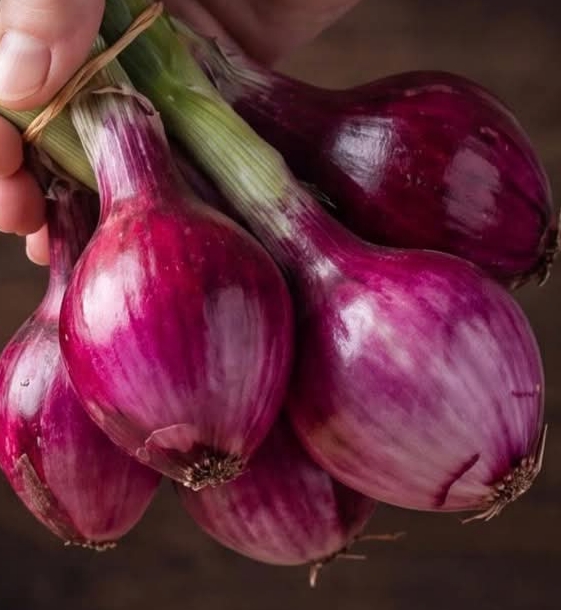
Onions are one of the most common ingredients in kitchens around the world. They are inexpensive, easy to store, and used in everything from soups and stews to salads, sauces, and stir-fries.But beyond their role in cooking, onions have attracted considerable interest because they contain several naturally occurring plant compounds, including antioxidants and sulfur-containing compounds.Some traditional wellness claims suggest that onions can “strengthen the immune system,” improve circulation, regulate blood sugar and blood pressure, relieve coughs and flu symptoms, detoxify the body, fight infections, and protect the heart. While some of these claims are based on traditional use or laboratory research, they should not be interpreted as proof that onions can treat or cure diseases.Instead, onions are best understood as a nutritious vegetable that can contribute to an overall healthy eating pattern.Tạo ảnh hành ngâm mật 4K 20260913090728Why Are Onions Considered a Healthy Food?The common onion belongs to the Allium genus, which also includes garlic, shallots, leeks, and chives.Onions contain a variety of nutrients and bioactive plant compounds. Their composition can vary depending on the variety, growing conditions, preparation method, and portion size.One reason researchers are interested in onions is their content of flavonoids and sulfur-containing compounds.These substances contribute not only to the onion’s characteristic smell and flavor but may also contribute to its antioxidant properties.1. Onions Contain Antioxidant CompoundsAntioxidants are substances that help protect cells from oxidative stress caused by reactive molecules produced naturally in the body.Onions contain several plant compounds with antioxidant activity, including flavonoids such as quercetin.Quercetin has been studied for its potential biological effects, but research involving isolated compounds or laboratory models does not necessarily mean that eating onions will prevent or treat a specific disease.Nevertheless, regularly eating a variety of vegetables is an important part of a balanced diet.2. Onions May Support Cardiovascular HealthHeart health is influenced by many factors, including diet, physical activity, blood pressure, cholesterol levels, smoking, body weight, sleep, and genetics.Onions can be part of a heart-friendly eating pattern because they are naturally low in calories and provide plant compounds and other nutrients.Some research has investigated whether compounds found in onions may influence cardiovascular markers, including blood pressure and blood lipid levels. However, onions should not be considered a replacement for prescribed treatment.A healthy diet should include a wide variety of vegetables, fruits, whole grains, legumes, nuts, and other nutrient-rich foods.3. What About Blood Sugar?Another popular claim is that onions can “regulate blood sugar.”There is scientific interest in the relationship between onion compounds and glucose metabolism, but eating onions alone cannot be expected to normalize blood glucose or replace diabetes medication.For people concerned about blood sugar, the overall meal matters.For example, combining vegetables such as onions with protein, fiber-rich foods, and minimally processed carbohydrates can create a more balanced meal than consuming highly refined carbohydrates alone.If you have diabetes or take medication that affects blood glucose, continue following the recommendations of your healthcare professional.4. Onions and the Immune SystemOnions provide vitamin C in modest amounts along with various plant compounds.Vitamin C contributes to normal immune function, while a varied diet supplies numerous nutrients needed for the body’s normal defenses.However, claims that onions can “boost the immune system” enough to prevent infections should be treated cautiously.Eating onions cannot guarantee protection against colds, influenza, or other infections.Good sleep, adequate nutrition, regular physical activity, vaccination when appropriate, and good hygiene all play much more important roles in maintaining overall health.5. Can Onions Help With Coughs and Colds?Onion-based traditional remedies have been used in many cultures for generations.Some people prepare onion and honey mixtures or onion infusions when experiencing a cough or cold.These preparations may feel soothing, especially when they provide fluids or a pleasant taste, but there is not enough evidence to describe onions as a cure for respiratory infections.A cold or flu generally improves with time and supportive care.If symptoms are severe, persistent, or accompanied by difficulty breathing, chest pain, dehydration, confusion, or other concerning symptoms, medical attention is appropriate.6. Onions and DigestionOnions contain dietary fiber and naturally occurring compounds that can interact with the digestive system.They also contain fructans, a type of carbohydrate that can be fermented by gut bacteria.For some people, this fermentation may contribute to beneficial effects on the gut microbiome. For others, particularly people sensitive to fermentable carbohydrates, onions may cause gas, bloating, or abdominal discomfort.Therefore, onions are not universally “good for digestion” in the same way for everyone.If onions regularly cause digestive symptoms, reducing the portion size or choosing cooked onions instead of raw onions may help.Raw Onion vs. Cooked OnionHow you prepare onions can affect their flavor, texture, and some of their plant compounds.Raw onionsRaw onions have a stronger flavor and contain compounds that can change during cooking.They can be added to:SaladsSandwichesSalsasGuacamoleWrapsFresh vegetable dishesCooked onionsCooking reduces the sharpness of onions and makes them sweeter and softer.They can be added to:SoupsStewsOmeletsRice dishesVegetable stir-friesBeans and lentilsRoasted vegetablesThere is no single “best” way to eat onions. Including them in different forms can make healthy meals more enjoyable and varied.A Simple Way to Add More Onion to Your DietYou do not need to prepare a complicated onion remedy to enjoy its nutritional value.Try this simple vegetable dish:Simple Sautéed Onion and Vegetable MixIngredients:1 medium onion1–2 cups of your favorite vegetables1 teaspoon of olive oilA small amount of black pepperHerbs or spices of your choicePreparation:Wash and peel the onion.Slice it into thin pieces.Heat a small amount of olive oil in a pan.Add the onion and cook gently until it begins to soften.Add your other vegetables.Continue cooking until the vegetables reach your preferred texture.Season with herbs and spices.This simple combination can be served alongside beans, eggs, fish, chicken, whole grains, or another source of protein.The goal is not to create a “miracle remedy,” but to make vegetables a regular part of your meals.What About Onion Water?Another popular home practice involves soaking or boiling onions in water and drinking the resulting liquid.Although onion water is often promoted online as a remedy for blood sugar, blood pressure, infections, weight loss, or detoxification, there is insufficient evidence to conclude that drinking onion water produces these therapeutic effects.The body already has highly effective systems for processing and eliminating waste through organs such as the liver and kidneys.If you enjoy onion-infused water, it can be considered a food preparation, but it should not replace medical treatment or a balanced diet.Can Eating Onions “Detox” the Body?The word detox is frequently used in health content, but it can be misleading.There is no special onion preparation that has been proven to remove unspecified “toxins” from the body.The liver, kidneys, lungs, gastrointestinal tract, and other physiological systems continuously perform processes involved in metabolism and waste elimination.Rather than looking for a single detoxifying ingredient, focus on habits that support overall health:Eat plenty of vegetables and fruit.Drink adequate water.Limit excessive alcohol.Avoid smoking.Exercise regularly.Get enough sleep.Choose minimally processed foods more often.Onions can easily fit into this type of healthy lifestyle.Who Should Be Careful With Onions?Although onions are safe for most people as a normal food, some individuals may experience problems after eating them.People with sensitive digestionRaw onions can cause:GasBloatingAbdominal discomfortHeartburn in some individualsPeople following a low-FODMAP diet may also need to limit onions depending on their individual tolerance.People with refluxSome people find that onions worsen heartburn or reflux symptoms.If you notice a consistent connection between eating onions and your symptoms, consider discussing your diet with a healthcare professional.Medication considerationsFood generally does not replace medication. If you take medication for diabetes, blood pressure, cholesterol, or another chronic condition, do not stop or change your medication because of claims about onions or other natural ingredients.Frequently Asked QuestionsCan eating onions every day be healthy?For most people, onions can be included regularly as part of a varied and balanced diet. There is no requirement to eat a specific amount every day.Are red onions healthier than white onions?Red, yellow, and white onions have somewhat different concentrations of plant compounds, but all can contribute to a healthy diet. The best choice is often the type you enjoy and will use regularly.Are onions good for the heart?Onions contain flavonoids and other plant compounds that have been studied in relation to cardiovascular health. However, eating onions alone cannot prevent or treat heart disease. Overall dietary and lifestyle habits are much more important.Can onions lower blood pressure?Some studies have investigated compounds in onions in relation to blood pressure, but this does not mean that eating onions is a reliable treatment for hypertension. People with high blood pressure should follow their healthcare professional’s treatment plan.Can onions lower blood sugar?Onions contain compounds that have been investigated for possible effects on glucose metabolism, but they should not be considered a treatment for diabetes or a substitute for prescribed medication.Is raw onion better than cooked onion?Not necessarily. Raw and cooked onions have different flavors and may retain different amounts of certain compounds. Both can be useful additions to a varied diet.The Bottom LineOnions are much more than a flavoring ingredient.They provide dietary fiber and a variety of naturally occurring plant compounds, including flavonoids and sulfur-containing compounds. Research continues to investigate how these compounds may relate to cardiovascular health, glucose metabolism, oxidative stress, and other areas of human health.At the same time, it is important to separate traditional claims from established medical evidence.Onions should not be described as a cure for high blood pressure, diabetes, infections, flu, or heart disease. They are best viewed as a nutritious vegetable that can contribute to a balanced eating pattern.Whether you prefer red, yellow, white, or sweet onions, adding them to soups, salads, vegetables, beans, eggs, and other meals is a simple way to increase the variety of plant foods in your diet.Important disclaimer: This article is for educational and informational purposes only. It is not intended to diagnose, treat, cure, or prevent any disease. If you have persistent symptoms or a medical condition, consult a qualified healthcare professional before making significant changes to your diet or treatment.Have you ever used onions as part of a traditional home remedy? 🌿🧅
Onion Benefits: What This Everyday Ingredient May Offer and How to Add More to Your Diet