
# 10 Tips to Keep Cheese Fresh for As Long as Possible
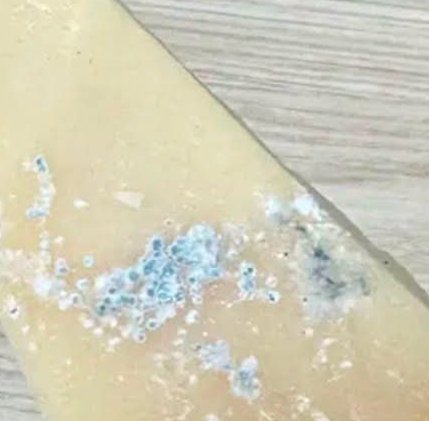
Cheese lovers know that storing cheese properly can make a significant difference in its flavor and freshness. Whether you have a luxurious aged Gouda, a tangy blue cheese, or a creamy Brie, the way you store these dairy delights is crucial. In this article, we’ll explore ten essential tips to keep cheese fresh for as long as possible, ensuring you enjoy every last crumb.
## 1. Choose the Right Storage Method
The first step in preserving your cheese is to choose the right storage method. While many people opt for plastic wrap, it’s not always the best choice. Plastic can trap moisture and create a breeding ground for bacteria, altering the flavor and texture of your cheese. Instead, use cheese paper or wax paper that allows the cheese to breathe. For chunk cheeses, wrapping them in parchment paper followed by loosely placing them in a plastic bag helps maintain their freshness.
## 2. Keep It Cool
Temperature plays a vital role in maintaining cheese quality. Cheese is best stored in the refrigerator at a temperature between 34°F and 38°F. Avoid storing cheese in the vegetable drawer where temperatures fluctuate due to frequent opening and closing. Instead, designate a specific shelf in your fridge for cheese to help maintain a consistent temperature.
## 3. Use a Cheese Dome or Box
Investing in a cheese dome or an airtight cheese box can help keep your cheese fresh. These containers maintain humidity levels while ensuring the cheese is protected from strong odors and contamination. Cheese domes with ventilation holes are excellent for serving and storing soft cheeses, allowing air circulation without compromising moisture.
## 4. Wrap Cheese Properly
When storing cheese, how you wrap it has a significant impact on its shelf life. Avoid using plastic wrap directly on the cheese. Instead, wrap it in a layer of parchment or cheese paper. For hard cheeses, you can then place the wrapped piece in a zip-top bag to prevent it from drying out while still allowing it to breathe.
## 5. Keep Cheese Whole
To maximize the shelf life of your cheese, try to keep it as whole as possible. Cutting the cheese exposes a larger surface area to air, which increases the risk of spoilage. If you buy cheese in bulk, consider cutting only what you need for immediate use, and store the rest whole until you’re ready to enjoy it.
## 6. Label and Date
If you have multiple types of cheese stored in your refrigerator, it’s easy to lose track of what you have and when you opened it. Label your cheese with the type and storage date. Not only does this help you stay organized, but it also allows you to monitor the freshness of each cheese type, preventing waste.
## 7. Avoid Strong Odor Foods
Cheese is sensitive and can absorb other food odors. Store it away from strong-smelling foods like onions and garlic to prevent flavor contamination. Ideally, keep cheese in a separate container or section of your fridge to safeguard its natural flavors.
## 8. Freeze for Freshness
If you find yourself with excess cheese, consider freezing it for later use. While not all cheeses freeze well, many hard and semi-hard cheeses can be successfully frozen. Grate or cut the cheese into smaller portions before freezing, and be sure to wrap it tightly in plastic wrap and then store it in an airtight container. When you’re ready to use it, thaw it in the refrigerator overnight.
## 9. Monitor Humidity Levels
Humidity is another crucial factor in cheese preservation. Cheese needs a certain level of humidity to prevent it from drying out. The ideal humidity level for cheese storage is around 85%. If your refrigerator is too dry, consider placing a small container of water in the fridge or using a specialized cheese storage container that regulates humidity.
## 10. Rotate Your Cheese
Like other perishable foods, cheese benefits from being rotated regularly. When you bring new cheese home, move the older varieties to the front. This practice will encourage you to use up the older cheese first and minimize waste.
## Conclusion
Keeping cheese fresh for as long as possible doesn’t have to be a complicated process. By following these ten tips, from choosing the right storage methods to monitoring humidity levels, you can enjoy your favorite cheeses at their best. Remember, cheese is a delicate product that deserves proper care, so adhere to these practices to maximize its shelf life and flavor. Treat your cheese right, and it will reward you with exceptional taste every time you indulge.