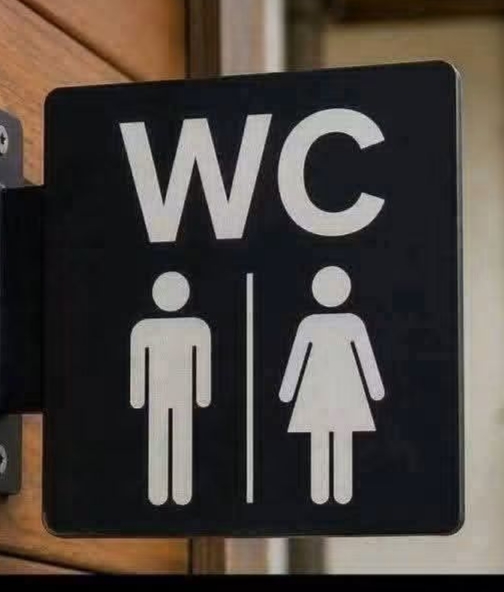
You have likely seen it countless times—on a hotel door in Paris, a train station in Rome, or an older building in your own city:WCMost people recognize it as a symbol for “restroom” or “bathroom.” Yet surprisingly, many have never paused to wonder what those two letters actually stand for. And once you learn the answer, it clicks into place with a quiet sense of satisfaction.What Does “WC” Stand For?WC stands for Water Closet.It is an older term, originally used to describe a small, enclosed room containing a flush toilet. Simple, descriptive, and practical—much like the invention it named.Why Was It Called a “Water Closet”?In the 19th century, indoor plumbing was a revolutionary convenience. Before modern bathrooms became standard:Toilets were often located outdoors, in separate outbuildingsBathing and washing typically happened in different roomsPrivacy and sanitation were handled in distinct spacesWhen homes and public buildings began installing indoor flush toilets, these compact, dedicated rooms were naturally called water closets: a small, closet-like space housing a toilet that used water to flush waste away. The name was literal, functional, and clear.Why Do So Many Places Still Use “WC” Today?Though the term may sound old-fashioned to modern ears, it remains widely used around the world—particularly in international settings. You will often see WC on signage in:European countriesHotels and hostelsEuropean countriesHotels and hostelsAirports and train stationsHistoric buildings and tourist destinationsIts endurance is no accident. “WC” is short, language-neutral, and easily understood across cultures. In a world of diverse tongues, it functions as a quiet universal symbol.Why Not Just Say “Bathroom”?Language is regional, and terms for the same space vary widely:Bathroom: Common in North America; implies a room with both a toilet and a bath or showerRestroom: Frequently used in U.S. public spaces; emphasizes comfort and privacyToilet: Direct and common in the UK, Europe, and many other regionsWC: International, concise, and widely recognized on signageEach term reflects cultural norms, historical usage, and practical communication needs. None is inherently “correct”—they simply serve different contexts.A Small Window into Language EvolutionTerms like “Water Closet” illustrate how language shifts over time. What once sounded modern and precise can become historical, yet persist in everyday life through habit, tradition, or utility. This kind of linguistic drift—where words outlive their original context but retain functional value—is a core subject of study in historical linguistics.Frequently Asked QuestionsIs “WC” still commonly used?Yes—especially outside North America. In many European, Asian, and Latin American countries, it remains the standard label on public signage.Does it refer only to the toilet, or the whole bathroom?Generally, “WC” refers specifically to the room containing the toilet. It does not necessarily imply a sink, shower, or bathing area.Why do hotels and airports use it so often?Because it is brief, language-neutral, and widely recognized by travelers from diverse linguistic backgrounds. Clarity trumps regional preference in international spaces.Is it considered outdated?Somewhat—but “outdated” does not mean “obsolete.” Like “elevator” versus “lift,” usage depends on region and context. In many places, “WC” remains the clearest, most efficient choice.Final ThoughtsIt is remarkable how often we encounter small mysteries in everyday life without ever questioning them. We walk past signs, use phrases, and follow conventions—until one day, a simple question unlocks a quiet moment of understanding.Learning that “WC” stands for Water Closet is one of those small, satisfying revelations. It connects a familiar symbol to a slice of social history, reminding us that language is not static—it is a living record of how we live, build, and communicate across time.So be honest: did you already know this, or did this finally solve a quiet mystery you had carried for years? Either way, the next time you see those two letters, you will see more than a sign. You will see a story.
What Does “WC” Actually Mean on Restroom Signs