
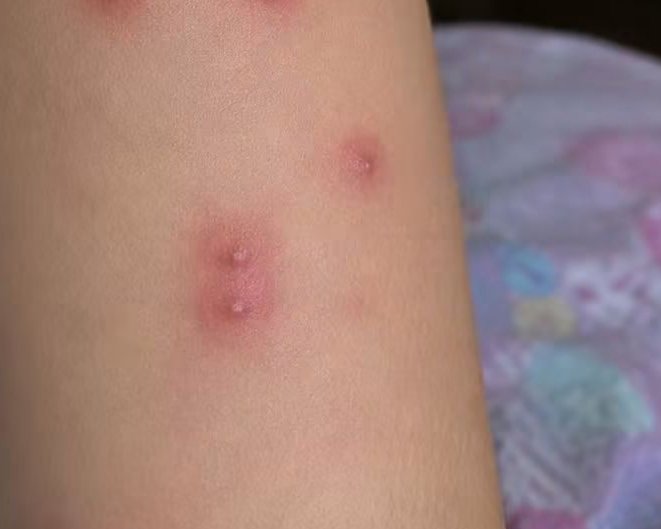
# Strange Red Bumps on the Skin: What Could Be Causing Them?
Strange red bumps on the skin can be alarming, leading to concern about underlying health conditions. These bumps can appear on any part of the body and may vary in size, shape, and texture. Understanding the potential causes is crucial for managing symptoms and seeking appropriate treatment. In this article, we will explore various causes of red bumps on the skin, their symptoms, treatment options, and when to seek medical attention.
## Common Causes of Red Bumps on the Skin
### 1. Allergic Reactions
One of the most common causes of red bumps on the skin is allergic reactions. The immune system responds to allergens, such as pollen, certain foods, or pet dander, leading to hives or red rashes. Symptoms often include:
– Itching
– Swelling
– Red bumps or welts
Treatment typically involves over-the-counter antihistamines and avoidance of known allergens. In severe cases, a doctor may prescribe corticosteroids or epinephrine.
### 2. Insect Bites
Insect bites from mosquitoes, fleas, or bed bugs can cause localized red bumps. These bumps are often accompanied by:
– Intense itching
– Swelling
– Pain or discomfort
Most insect bites can be treated at home with ice packs, calamine lotion, or hydrocortisone cream. However, if you experience severe reactions or signs of infection, consult a healthcare provider.
### 3. Folliculitis
Folliculitis is the inflammation of hair follicles, commonly resulting from bacterial infection or irritation. It presents as small red bumps around hair follicles, usually on areas prone to shaving or friction, such as:
– The face
– Armpits
– Legs
Treating folliculitis often involves maintaining proper hygiene and applying warm compresses. In more severe cases, topical or oral antibiotics may be necessary.
### 4. Keratosis Pilaris
Keratosis pilaris is a benign skin condition characterized by small, red or white bumps, typically on the upper arms, thighs, and cheeks. This condition arises from the buildup of keratin, a protein that protects the skin. Common features include:
– Rough texture
– Itching (in some cases)
While there is no cure, regular exfoliation and moisturization can help improve the appearance of the skin.
### 5. Eczema (Atopic Dermatitis)
Eczema is a chronic inflammatory skin condition that can cause red, itchy bumps and patches on the skin. Common triggers include:
– Allergens
– Stress
– Climate changes
Management often requires avoiding triggers, using emollients, and applying topical corticosteroids to reduce inflammation.
### 6. Psoriasis
Psoriasis is an autoimmune condition that leads to rapid skin cell turnover, resulting in thick, red patches adorned with silvery scales. These patches can appear anywhere on the body, often presenting with:
– Itching
– Pain
– Dry, cracked skin
Treatment options include topical treatments, phototherapy, and systemic medications to control symptoms.
### 7. Contact Dermatitis
Contact dermatitis occurs when the skin reacts to substances that it comes into contact with, like soaps, cosmetics, or metals. Symptoms usually include:
– Red bumps
– Blisters
– Itching
Identifying and avoiding irritants is key to treatment, along with possibly using corticosteroid creams to reduce inflammation.
### 8. Acne
While typically associated with facial blemishes, acne can also produce red bumps on the body. These bumps result from clogged pores, bacteria, and excess oil. Symptoms include:
– Blackheads or whiteheads
– Pustules
– Inflammation
Over-the-counter topical treatments containing benzoyl peroxide or salicylic acid can often help manage acne.
## When to Seek Medical Attention
While many causes of strange red bumps on the skin can be managed at home, some situations require professional medical advice. Consult a healthcare provider if you experience:
– Persistent or worsening symptoms
– Signs of infection (increased redness, swelling, or discharge)
– Symptoms accompanied by fever or chills
– Sudden appearance of numerous bumps
## Conclusion
Strange red bumps on the skin can result from various factors, from allergic reactions to chronic skin conditions. Identifying the underlying cause is essential for effective treatment and relief. In many cases, home remedies and over-the-counter treatments can alleviate symptoms, but medical consultation is essential for severe or persistent cases. Being informed and aware can lead to more effective management of skin issues, ensuring healthier skin overall. If in doubt, always prioritize professional medical advice for a tailored treatment plan.