
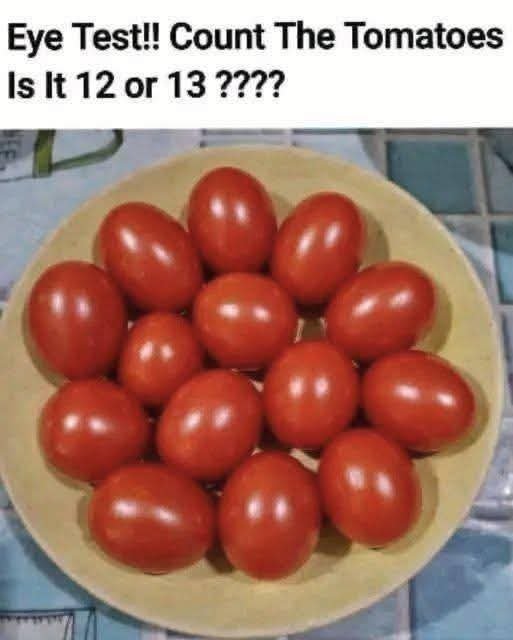
# Eye Test!! Count The Tomatoes: Is It 12 or More?
In an age where visual skills play a key role in both personal and professional settings, exercises that challenge visual perception are gaining popularity. One such engaging activity is the “Count the Tomatoes” eye test. This fun exercise not only serves as a brain teaser but also encourages awareness regarding visual acuity. But how does it function? And what can it reveal about your eyesight? In this article, we will dive deep into this eye test, explore its significance, and provide practical tips for maintaining healthy vision.
## Understanding Visual Acuity
Visual acuity measures your ability to see fine details. Often assessed through standardized eye charts during eye examinations, visual acuity testing can provide insight into potential vision problems. Regular eye assessments are crucial, especially as we age or if we constantly rely on screens. To maintain optimal eye health, familiarizing yourself with fun and quirky eye tests, such as counting pictures or objects, can enhance your awareness of your eyesight.
## The “Count the Tomatoes” Eye Test Explained
So, let’s get to the heart of the matter! The “Count the Tomatoes” test is simple yet effective. As the name suggests, this test features visual stimuli in the form of vivid red tomatoes placed against different backgrounds. The primary objective is to count the number of tomatoes presented to you in the image.
### Why Tomatoes?
Tomatoes were chosen for their bright color, unique shape, and familiarity in daily life. Their distinct red shade tends to stand out, making them ideal for testing attention and perceptual skills. This visual exercise is not solely about counting but engaging deeper cognitive processes, linking visual perception with recognition skills.
### How the Test Works
1. **Visual Presentation**: You will be presented with an image containing tomatoes.
2. **Observation**: Carefully observe the image for a brief period.
3. **Counting**: Attempt to count the total number of tomatoes visible in the picture. Is it 12? Or could there be more?
4. **Reflection**: After making your count, compare your answer. The correct number serves as a benchmark for your visual acuity.
This exercise can be repeated with various images and quantities, providing a playful yet informative method of assessing visual perception.
## The Importance of Regular Eye Tests
Engaging in exercises like the “Count the Tomatoes” eye test can be fun, but they also emphasize the importance of regular comprehensive eye examinations by a certified optometrist. Here’s why you should prioritize eye tests:
### Early Detection of Eye Conditions
Regular eye tests can help in detecting various eye conditions such as glaucoma, macular degeneration, and diabetic retinopathy before major symptoms develop. Early detection can lead to effective treatment and preservation of eyesight.
### Adjusting Prescription Lenses
If you wear glasses or contact lenses, regular tests can ensure your prescription remains accurate. Changes in eyesight can occur gradually, making it essential to have adjustments made to your lenses to maintain optimal vision.
### Preserving Overall Health
Your eyes are often a reflection of your overall health. Conditions such as diabetes and hypertension can be detected through eye exams. Thus, scheduling regular checks is not just about eye health; it ties into broader health monitoring.
## Tips for Maintaining Optimal Eye Health
Maintaining healthy vision should be a priority. Below are practical tips to keep your eyes in tip-top shape:
### 1. Regular Eye Checks
As mentioned, schedule routine eye examinations at least once every two years or as recommended by your optometrist.
### 2. Adopt the 20-20-20 Rule
For those who spend a lot of time in front of screens, employ the 20-20-20 rule. After every 20 minutes of screen time, look at something 20 feet away for 20 seconds. This reduces eye strain and supports overall eye comfort.
### 3. Maintain a Balanced Diet
Incorporate foods rich in omega-3 fatty acids, antioxidants, vitamins C and E, and zinc. Green leafy vegetables, oily fish, eggs, nuts, and colorful fruits support long-term eye health.
### 4. Stay Hydrated
Drinking enough water helps maintain moisture in your eyes. Dehydration can lead to dryness and discomfort, so aim for adequate hydration throughout the day.
### 5. Protect Your Eyes
Invest in quality sunglasses that block 100% of UVA and UVB rays. Additionally, if you are working outdoors or in environments with potential hazards, use protective eyewear.
## Conclusion
The “Count the Tomatoes” eye test is an engaging way to challenge and reflect on visual acuity. While it’s a fun and simple activity, it highlights the significance of maintaining eye health and the value of regular eye examinations. Always remember to combine these informal assessments with professional check-ups and good eye care practices. By doing this, you’ll not only enjoy clearer vision but also protect your overall well-being.
Join the eye health movement today! Test yourself with the “Count the Tomatoes” exercise and spread awareness of the importance of caring for your vision. You might just inspire others to take their eyesight seriously while having some fun along the way!