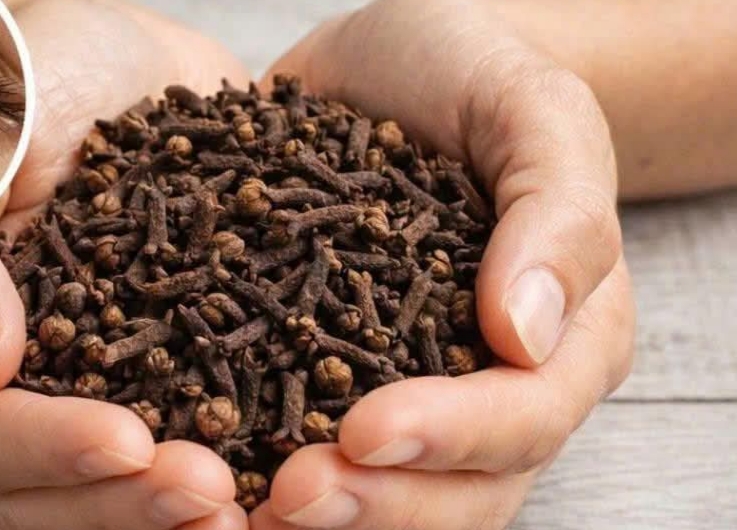
Cloves: A Small Spice with a Long History in Traditional WellnessCloves are best known for their warm, aromatic flavor in both sweet and savory recipes, but their use extends far beyond the kitchen. For centuries, this fragrant spice has been valued in traditional wellness practices across Asia, the Middle East, and Europe.Today, cloves continue to attract scientific interest because they naturally contain antioxidants and aromatic compounds that may support overall well-being when enjoyed as part of a balanced diet.Although cloves are not a medicine or a cure for disease, they can be a flavorful addition to a healthy lifestyle when consumed in moderation.In this guide, you’ll discover their nutritional profile, traditional uses, simple recipes, and important safety considerations.What Are Cloves?Cloves are the dried flower buds of the evergreen tree Syzygium aromaticum, native to Indonesia.They have been used for centuries as:A culinary spiceA traditional herbal ingredientA natural food preservativeAn aromatic ingredient in beveragesTheir distinctive flavor comes from a natural compound called eugenol, which is responsible for much of their characteristic aroma.Nutritional HighlightsAlthough cloves are typically consumed in small amounts, they contain several beneficial plant compounds, including:EugenolPolyphenolsFlavonoidsManganeseDietary fiberNatural essential oilsThese compounds contribute to the spice’s antioxidant properties.Potential Health Benefits of Cloves1. Rich in AntioxidantsCloves are among the richest natural sources of antioxidant compounds.Antioxidants help protect cells from oxidative stress caused by normal metabolism and environmental factors.A diet rich in colorful fruits, vegetables, herbs, and spices—including cloves—can contribute to long-term wellness.2. May Support Oral HealthOne of the oldest traditional uses of cloves relates to oral care.Historically, whole cloves have been chewed occasionally to help:Freshen breathProvide a warming sensationPromote a feeling of comfort in the mouthModern dental products sometimes include clove-derived ingredients because of their aromatic properties.However, cloves should not replace professional dental care.3. May Promote Comfortable DigestionMany cultures traditionally enjoy clove tea after meals.This practice is believed to support:Comfortable digestionReduced feelings of fullness after eatingDigestive comfortScientific evidence remains limited, but moderate culinary use is generally considered safe for most healthy adults.4. Provides Natural Plant CompoundsCloves contain naturally occurring phytochemicals that researchers continue to study for their biological activity.While laboratory research has produced interesting findings, more human studies are needed before firm health conclusions can be made.5. Adds Flavor Without Extra CaloriesBecause cloves have an intense aroma and taste, even small amounts can enhance recipes naturally.They are commonly added to:Herbal teasSoupsRice dishesStewsBaked goodsWarm beveragesUsing herbs and spices to flavor meals may help reduce reliance on excess sugar or salt.Simple Ways to Enjoy Cloves1. Gentle Clove TeaIngredients3–4 whole cloves1 cup (250 ml) water1 teaspoon honey (optional)DirectionsBring the water to a gentle boil.Add the whole cloves.Simmer for about 5 minutes.Remove from the heat and steep for another 10 minutes.Strain before drinking.Add honey if desired.Many people enjoy this tea after meals as part of a relaxing evening routine.2. Traditional Whole Clove UseSome people occasionally chew one whole clove for its refreshing aroma.If you choose to do this:Chew gently for a short period.Discard the clove afterward.Avoid frequent or excessive use.Individuals with dental concerns should consult their dentist before trying this practice.3. Cooking with ClovesWhole cloves add warmth and depth to many recipes.They pair well with:Vegetable soupsBrothsRice dishesLentil stewsBaked applesHerbal teasBecause their flavor is concentrated, a little goes a long way.What Does Science Say?Research into cloves continues to grow.Studies have investigated compounds found in cloves for their:Antioxidant activityAntimicrobial properties in laboratory settingsAnti-inflammatory potential in experimental researchHowever, these findings should not be interpreted as evidence that cloves prevent or treat disease.Current evidence supports enjoying cloves primarily as part of a healthy dietary pattern.Safety ConsiderationsAlthough cloves are generally safe when used as a culinary spice, moderation is important.Use reasonable amountsWhole cloves are highly concentrated.Small culinary quantities are typically sufficient.Essential clove oilPure clove essential oil is much stronger than whole cloves.It should:Never be consumed unless directed by a qualified healthcare professional.Always be diluted before topical use.Be kept away from children.Pregnancy and breastfeedingIndividuals who are pregnant or breastfeeding should consult a healthcare professional before regularly consuming concentrated herbal preparations.Medication interactionsSpeak with your healthcare provider if you:Take blood-thinning medicationsHave bleeding disordersHave chronic liver diseaseAre scheduled for surgeryTips for Including Cloves in a Healthy LifestyleTo make cloves part of a balanced routine:Use whole cloves in cooking.Enjoy herbal tea occasionally.Combine spices with plenty of fruits and vegetables.Stay physically active.Maintain good hydration.Practice regular oral hygiene.No single spice can replace healthy daily habits.Frequently Asked QuestionsCan I drink clove tea every day?Most healthy adults can enjoy clove tea occasionally in moderate amounts. If you plan to drink it regularly, consult a healthcare professional, especially if you have medical conditions or take medications.Are whole cloves better than ground cloves?Both contain beneficial plant compounds, although whole cloves often retain their aroma longer when stored properly.Can cloves cure illnesses?No. There is no reliable scientific evidence that cloves cure or prevent serious diseases. They should be viewed as a culinary spice and traditional wellness ingredient.Do cloves contain caffeine?No. Cloves are naturally caffeine-free.Final ThoughtsCloves have earned their reputation as one of the world’s most treasured spices thanks to their distinctive flavor, long history of traditional use, and naturally occurring antioxidant compounds.Whether brewed into a warm herbal tea, added to comforting meals, or used to enhance recipes, cloves offer an easy way to bring both flavor and variety to a balanced diet.Rather than viewing cloves as a miracle remedy, it is more realistic—and scientifically accurate—to appreciate them as one small part of a healthy lifestyle that also includes nutritious eating, regular exercise, adequate sleep, stress management, and routine medical care.Disclaimer: This article is intended for educational purposes only and should not be considered medical advice. Cloves and herbal preparations are not intended to diagnose, treat, cure, or prevent disease. Always consult a qualified healthcare professional before making significant dietary or herbal changes, particularly if you have underlying health conditions or take prescription medications.
Cloves: Traditional Uses, Potential Health Benefits, and Easy Ways to Enjoy This Aromatic Spice