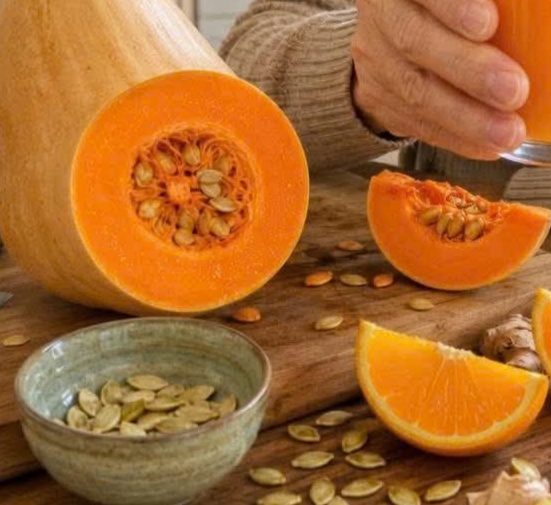
Pumpkin is one of nature’s most versatile and nutritious foods. While often associated with seasonal recipes and comfort meals, this vibrant orange vegetable offers far more than great flavor. Packed with vitamins, minerals, fiber, and antioxidants, pumpkin can be a valuable addition to a balanced diet that supports overall wellness.Whether you enjoy it in soups, smoothies, roasted dishes, or healthy beverages, pumpkin provides important nutrients that may contribute to heart health, digestive function, immune support, and healthy blood sugar management.Let’s explore why pumpkin deserves a place in your weekly meal plan.Why Pumpkin Is Considered a Nutritional PowerhousePumpkin is naturally low in calories while providing an impressive range of nutrients, including:Dietary fiberBeta-caroteneVitamin AVitamin CVitamin EPotassiumMagnesiumIronAntioxidantsWater-rich compoundsIts nutrient density makes it an excellent choice for people seeking healthy, satisfying foods.20 Potential Health Benefits of Pumpkin1. Supports Healthy Blood Sugar ManagementThe fiber found in pumpkin may help slow carbohydrate absorption, contributing to more stable blood sugar levels when consumed as part of a balanced diet.2. Promotes SatietyPumpkin’s combination of fiber and water helps increase feelings of fullness, which may support healthy weight management.3. Supports Heart HealthPotassium and antioxidants found in pumpkin contribute to cardiovascular wellness and healthy circulation.4. Provides Powerful AntioxidantsBeta-carotene and other antioxidants help protect cells from oxidative stress caused by free radicals.5. Supports Healthy DigestionFiber promotes regular bowel movements and contributes to digestive comfort.6. Helps Maintain Healthy Cholesterol LevelsA fiber-rich diet is associated with improved cholesterol management and overall cardiovascular health.7. Supports Immune FunctionVitamin A and Vitamin C play important roles in maintaining a healthy immune system.8. Contributes to Eye HealthBeta-carotene is converted into Vitamin A, a nutrient essential for normal vision.9. Supports Healthy SkinAntioxidants and vitamins help maintain skin health and protect against environmental stressors.10. Naturally Low in CaloriesPumpkin provides substantial nutrition while remaining relatively low in calories.11. Promotes HydrationIts high water content contributes to daily fluid intake.12. Supports Healthy AgingAntioxidants may help reduce cellular damage associated with aging.13. Provides Natural EnergyComplex carbohydrates offer a steady source of energy without excessive added sugars.14. Supports Bone HealthMagnesium and phosphorus contribute to strong bones and healthy muscle function.15. Encourages Digestive BalanceDietary fiber helps support a healthy gut microbiome.16. May Help Reduce Occasional BloatingFiber and hydration can contribute to digestive regularity and comfort.17. Supports Healthy Blood PressurePotassium helps maintain normal blood pressure levels as part of a healthy lifestyle.18. A Versatile IngredientPumpkin can be incorporated into both sweet and savory dishes, making healthy eating easier.19. Suitable for Most Age GroupsChildren, adults, and older adults can generally enjoy pumpkin as part of a balanced diet.20. Easy to Include in Daily MealsFrom soups and salads to smoothies and baked goods, pumpkin is one of the easiest vegetables to add to your menu.Nutritional Properties of PumpkinNutrient Potential BenefitsFiber Supports digestion and satietyBeta-Carotene Supports eye and immune healthVitamin C Helps support immune functionPotassium Supports heart and muscle functionMagnesium Contributes to bone and nerve healthAntioxidants Helps protect cells from oxidative stressHealthy Pumpkin Wellness DrinkThis simple pumpkin-based beverage is a nutritious way to enjoy the benefits of pumpkin.Ingredients1 cup cooked pumpkin1 glass of waterA pinch of ground cinnamon1 teaspoon ground pumpkin seedsJuice of ½ lemon (optional)InstructionsSteam or boil the pumpkin until soft.Place it in a blender with the water.Add cinnamon and pumpkin seeds.Blend until smooth.Add lemon juice if desired.Serve immediately.Suggested UseEnjoy as part of a healthy breakfast or snack several times per week.Tips for Maximizing Pumpkin’s BenefitsChoose fresh pumpkin whenever possible.Avoid adding excessive sugar to pumpkin recipes.Pair pumpkin with protein and healthy fats for balanced meals.Include a variety of fruits and vegetables in your diet.Maintain regular physical activity and proper hydration.Frequently Asked QuestionsIs pumpkin good for blood sugar management?Pumpkin contains fiber and nutrients that may support healthy blood sugar levels when consumed as part of a balanced diet. However, it is not a treatment for diabetes.Can pumpkin help with weight management?Its low calorie content and high fiber content may promote fullness and support healthy eating habits.Is canned pumpkin as healthy as fresh pumpkin?Plain canned pumpkin can be a nutritious alternative, but avoid products with added sugars or flavorings.Can I eat pumpkin every day?For most people, pumpkin can safely be included in a varied and balanced diet on a regular basis.Final ThoughtsPumpkin is much more than a seasonal favorite. Its rich supply of vitamins, minerals, fiber, and antioxidants makes it a valuable addition to a healthy lifestyle.While no single food can prevent or cure disease, regularly including nutrient-dense foods like pumpkin may support heart health, digestion, immune function, and overall well-being.Simple, affordable, and incredibly versatile, pumpkin proves that some of the best health-supporting foods are often the most accessible.
Pumpkin: A Nutrient-Rich Superfood That Supports Overall Health Naturally